Bocking's Elm Park
A useful orientation point for the residential streets around Wheatfield Road and the western side of the estate. Jobs near the park are usually easy to access with on-street parking close to the property.
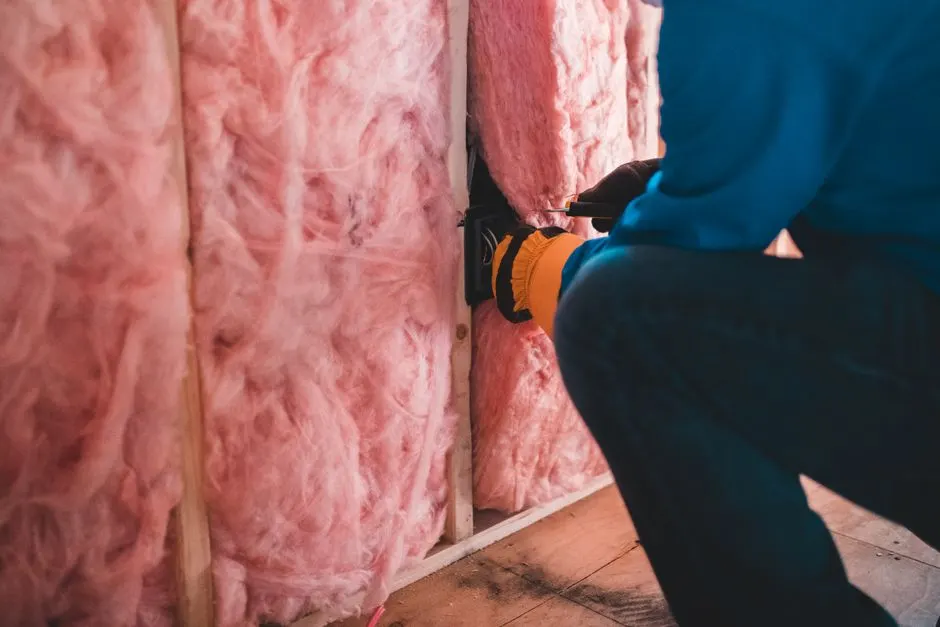
Spray foam removal in Bocking's Elm is a category of insulation extraction work that removes failed or mortgage-blocking foam from lofts, roof voids and cavity walls so the property can breathe, sell or be re-insulated properly. We have worked this estate since 2022, and Bocking's Elm spray foam removal jobs make up a steady share of our week. The housing here is mostly post-war semi-detached and terraced stock, built with shallow roof pitches and narrow eaves, which means closed cell spray foam applied years ago now traps moisture against the rafters. We see it on Constable Avenue, Wheatfield Road and the streets running off St Osyth Road. Because so many homes here change hands through mortgage surveys, a failed building survey is often the first time an owner realises the foam is a problem. We pull it out with dry ice blasting and hand tools, inspect the timber with a boroscope inspection camera, and treat anything showing rot before we leave. That is what spray foam removal near Bocking's Elm should look like.
Every foam job in Bocking's Elm starts with a look at the roof space, not a sales pitch. We check the foam type, the depth, whether the rafters are wet, and whether the vapour barrier has been compromised. From there we quote the extraction, the timber treatment and the make-good. If you have been searching for spray foam removal in Bocking's Elm near me, this is the full list of what we run on the estate.

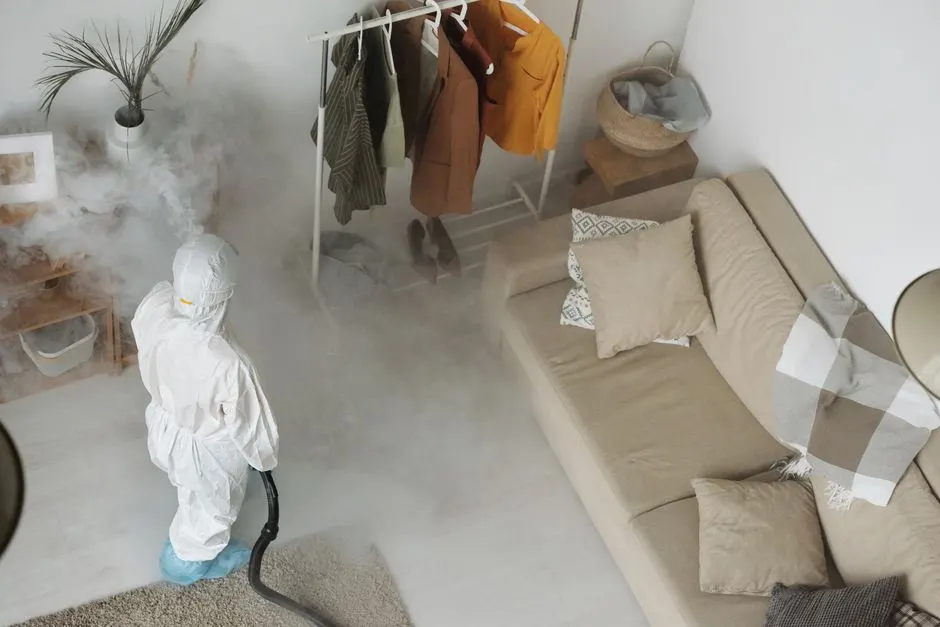












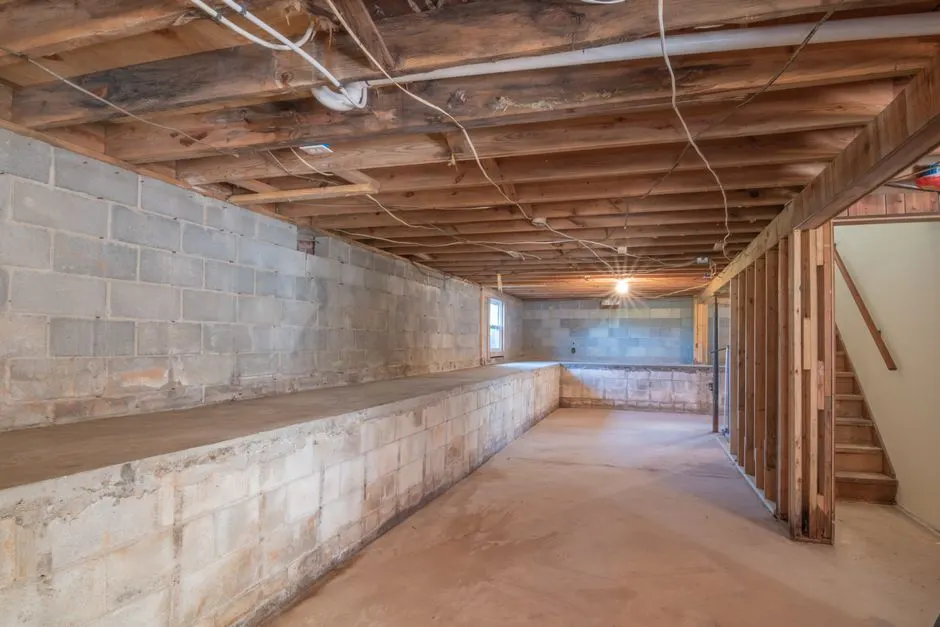
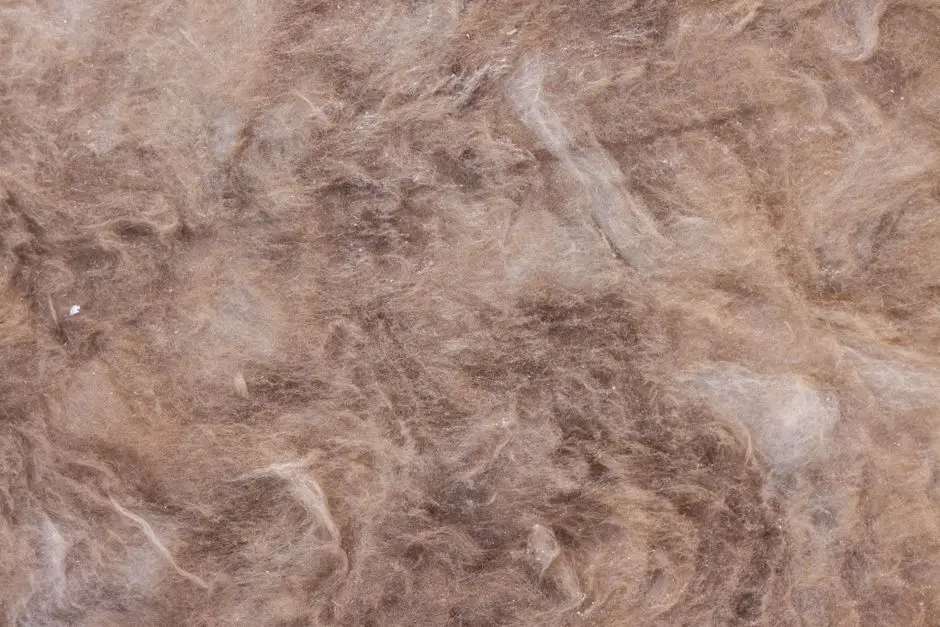


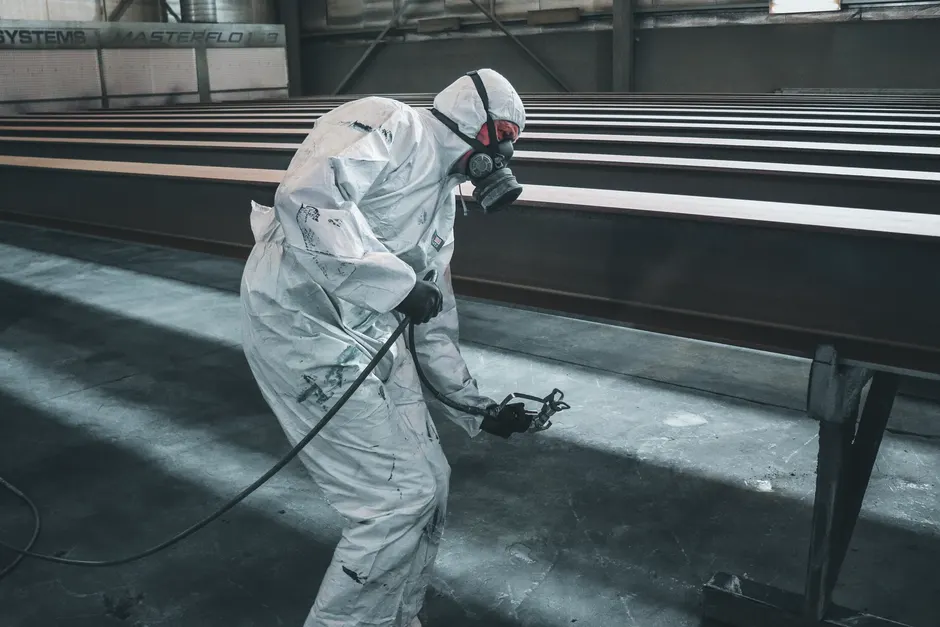
Bocking's Elm has a specific set of conditions that make spray foam a bigger problem here than in some other areas. The estate's post-war housing, shallow roof pitches and coastal humidity all play a part. These are the issues we deal with most often, and spray foam removal Bocking's Elm Essex homeowners book us for.
Lenders treat spray foam as a risk because it can hide timber defects and trap moisture. Bocking's Elm has a high turnover of family homes, so surveys regularly flag foam that was installed years ago. Once flagged, the mortgage will not complete until it is removed.
Closed cell foam acts as a vapour barrier, so moisture from inside the house cannot escape through the roof. It condenses on the cold timber behind the foam. On Bocking's Elm homes with shallow roof voids, there is little ventilation to dry it out.
When foam traps moisture against roof timbers for years, the wood starts to decay. This is common on the estate where foam has been in place for over a decade. Rot weakens the roof structure and is expensive to fix if it spreads.
Some Bocking's Elm homes had foam injected into the cavity wall as well as the loft. Foam bridges the gap between the inner and outer leaf, so moisture can travel across and show up as damp patches on internal walls. It also blocks the cavity's natural drainage.
Most Bocking's Elm homeowners do not realise the foam in their loft is a problem until a surveyor or lender tells them. These are the signs we see most often on the estate, and if any of them sound familiar it is worth booking an insulation assessment before the issue gets worse. If you have been searching for loft spray foam removal in Bocking's Elm, these triggers are usually what prompts the call.
A lender or surveyor has flagged the foam
This is the most common trigger on the estate. Lenders treat spray foam in a loft as a risk because it can trap moisture and hide timber defects. Once it is flagged, the mortgage usually will not complete until the foam is removed and the loft is inspected, so this is urgent.
Condensation running down the rafters
Water beading on the underside of the roof or dripping onto stored items means the foam is acting as a vapour barrier in the wrong place. Moisture from the house cannot escape, so it condenses on the cold timber. Left alone, this leads to rot.
Damp patches or staining on ceilings
Brown staining on an upstairs ceiling often points to moisture sitting against the roof structure above. On Bocking's Elm homes with foam-filled lofts, this usually means the timber is wet and the problem has been building for months. It needs checking with a moisture meter.
A musty smell in the loft or upstairs rooms
A persistent damp, earthy smell in the loft space is a sign of trapped moisture and early timber rot. Foam stops the roof breathing, so the smell gets stronger over time. By the time you notice it downstairs, the timber is often already affected.
Foam has been in place for over ten years
Foam installed more than a decade ago has had time to trap moisture and cause hidden damage. Even if you have not noticed a problem, a survey with a boroscope inspection camera will show whether the rafters are sound. It is worth checking before you sell or remortgage.
Bocking's Elm is a compact estate on the western side of Clacton, and we use the local landmarks as our orientation points. Bocking's Elm Park is a useful marker for the residential streets around Wheatfield Road, while the Community Centre sits close to several of the terraces we work on. Clacton Fire Station and Tendring Technology College help us place jobs on the eastern side of the estate, and the Clacton Factory Shopping Village area is where our commercial work tends to cluster. Knowing the estate this well means we are not wasting time hunting for an address.
A useful orientation point for the residential streets around Wheatfield Road and the western side of the estate. Jobs near the park are usually easy to access with on-street parking close to the property.
Sits close to several terraced streets where we carry out loft foam extraction. It helps us place jobs quickly on the eastern side of the estate and plan the most direct route between addresses.
A clear marker on the approach into Bocking's Elm from Clacton town centre. We use it to orient ourselves for jobs on the southern edge of the estate and to plan around any road closures on the main routes.
Helps us locate the streets on the eastern side of Bocking's Elm. During school terms we avoid arrival and departure times where parking near the college becomes tight, and schedule loft work around the quieter parts of the day.
ZIP coverage on request — call to confirm.
Bocking's Elm sits on the Essex coast, so it gets damp winters, driving rain off the sea and humid summers. That climate shapes when foam problems show up and when homeowners call us. Autumn and winter are our busiest months for damp-related callouts, but foam removal runs year-round. If you have been looking for spray foam removal Bocking's Elm Essex near me, the season often decides how quickly you need it done.
As the weather warms, condensation that built up over winter starts to show as damp patches and staining on ceilings. Many homeowners on the estate use spring to get the loft sorted before putting the house on the market.
Tip: Book a survey in March or April if you are planning to sell this year. It gives you time to remove the foam and get the paperwork ready before viewings start.
Warmer, drier air means loft spaces are at their most workable, which makes summer the easiest time to extract foam. It is also when buyers are most active on the estate, so pre-purchase surveys often flag foam during this period.
Tip: If a survey has flagged foam on a property you are buying, book the removal as soon as you have a completion date. Summer slots fill quickly.
As temperatures drop and the heating goes on, moisture levels in the loft rise. Foam that has been fine all summer can start showing condensation problems in October and November. This is when most damp-related callouts come in.
Tip: Check your loft for condensation before the cold sets in. If you see water beading on the rafters, book an assessment rather than waiting for it to get worse.
Cold coastal weather and driving rain make winter the worst time for foam-related damp. Condensation is at its peak, and any timber rot from trapped moisture becomes more obvious. Emergency callouts for leaks through the roof void also increase.
Tip: If you spot a leak or new damp staining in winter, call us straight away. We run a 24/7 line and can usually get to Bocking's Elm the next morning.
Bocking's Elm sits within a tight service region on the Essex coast, and we cover the neighbouring towns and villages from the same base. If you are just outside the estate, we almost certainly work your street too. These are the areas we cover most often alongside Bocking's Elm.
(City)
About ten minutes east of Bocking's Elm, and the commercial heart of the area. Many of our Bocking's Elm customers originally found us through work we did in the town centre.
View Clacton Town Centre(City)
A short drive north-east of Bocking's Elm, with similar post-war housing stock and the same spray foam problems in lofts. We often pair jobs in the two areas on the same day.
View Great Clacton(City)
A few miles along the coast to the east. Properties here tend to be larger with deeper roof voids, and we handle loft and roof foam removal across the area.
View Holland-on-Sea(City)
Just south of Bocking's Elm via Jaywick Lane. We cover loft and cavity foam removal here, often for the same mortgage-driven reasons as on the estate.
View Jaywick(City)
West of Bocking's Elm along the St Osyth Road corridor. A mix of older properties and village housing where foam removal is usually followed by timber treatment.
View St Osyth(City)
A coastal village to the south-west, covered from the same base. We handle residential loft extractions and the occasional commercial roof job in the area.
View Point ClearReal answers from our team for the questions we hear most often before a job starts.
If a surveyor has flagged the foam in your loft, or you have spotted condensation on the rafters, call us on 0333 567 2543. We cover every street in Bocking's Elm, provide a fixed quote after a proper loft survey, and give you the paperwork your lender needs. TrustMark registered, fully insured, and working the estate since 2022. Same day and 24/7 callouts available.
Call us on 0333 567 2543 between 08:00 and 18:00, Monday to Friday, and you will speak to someone who has actually been up a Clacton loft this month. Out of hours, leave a message and we will call you back first thing. For surveys, quotes and documentation requests, email info@sprayfoamremovalclactononsea.com and we will reply the same working day.
Phone
03335672543Address
72-78 Rosemary Rd, Clacton on Sea CO15 1TZ, UK, Clacton on Sea, Essex
Hours
Mon–Fri: 7AM – 7PM
Sat: 8AM – 4PM
Sun: Emergency Only
24/7 Emergency Available