St Osyth Priory
A well-known landmark near the historic core of the village. It helps us orient jobs towards the older lanes and period properties, where access is tight and the building fabric needs a gentler removal method.

Spray foam removal in St Osyth is a specialist job, and it is not the same as pulling foam out of a modern box in Clacton Town Centre. St Osyth is a rural coastal village with historic buildings, listed and period properties built with traditional materials, and a lot of farmhouses and older cottages sitting close to the salt air. Foam that was sprayed into a loft or cavity wall in the 2000s or 2010s often traps moisture against rafters and wall ties, and along this stretch of the Essex coast that moisture has nowhere to go. We have worked St Osyth since 2022, so we know how the village is laid out, where the access is tight, and which properties need a gentler hand. Our team uses boroscope inspection cameras and moisture meters before we cut anything, so you know exactly what is behind the plaster. If you are searching for spray foam removal near St Osyth because a lender or surveyor has raised a red flag, we can usually get an assessment booked within days.
Every service we offer is delivered in St Osyth itself, not subcontracted out to a firm that has never seen the village. That matters when you are dealing with a listed property near St Osyth Priory or a cavity wall that has been bridged with closed cell foam. If you need spray foam removal in St Osyth near me and you want it done this week, we run same day and 24/7 call-outs across CO16 8.

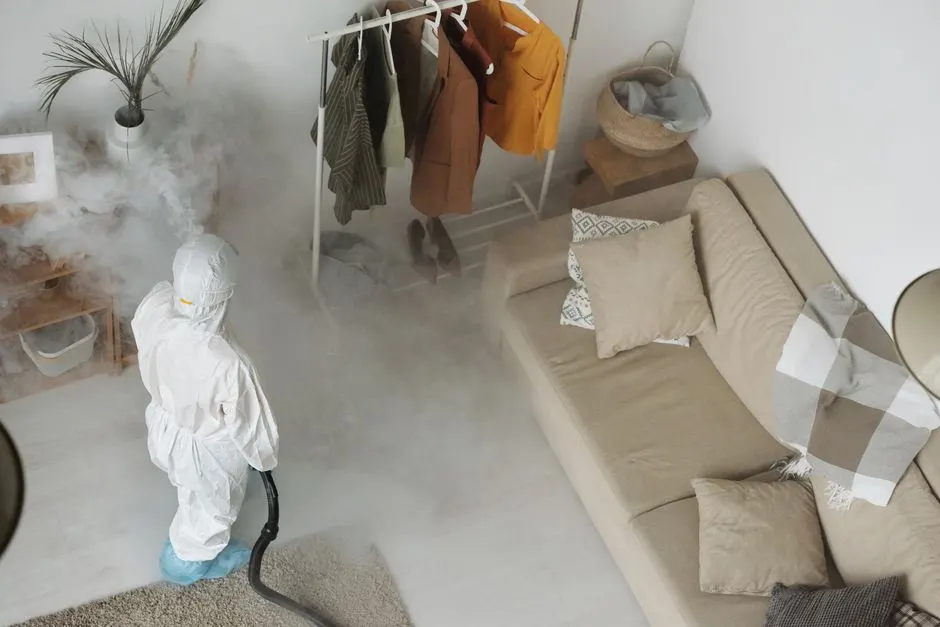






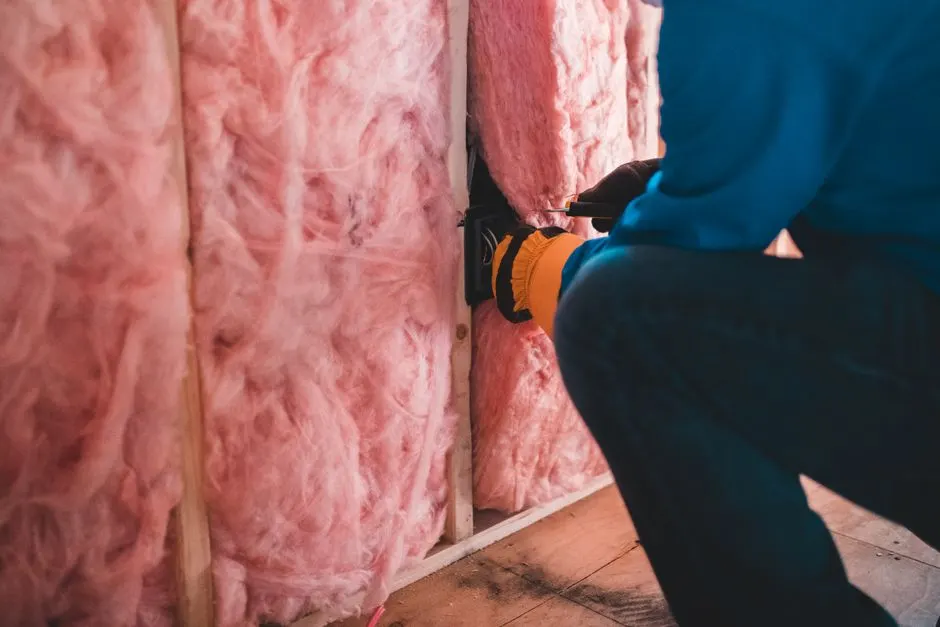






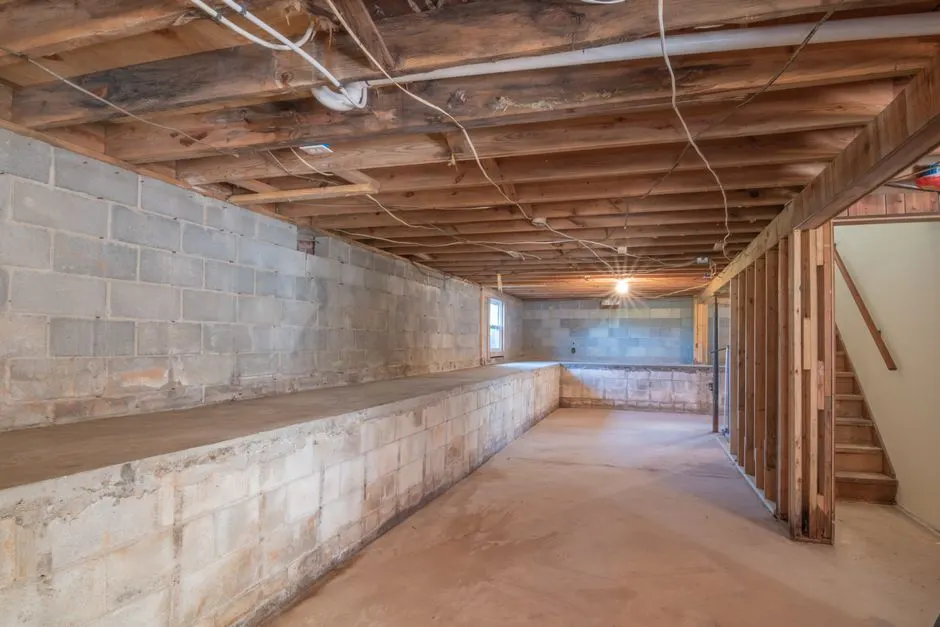
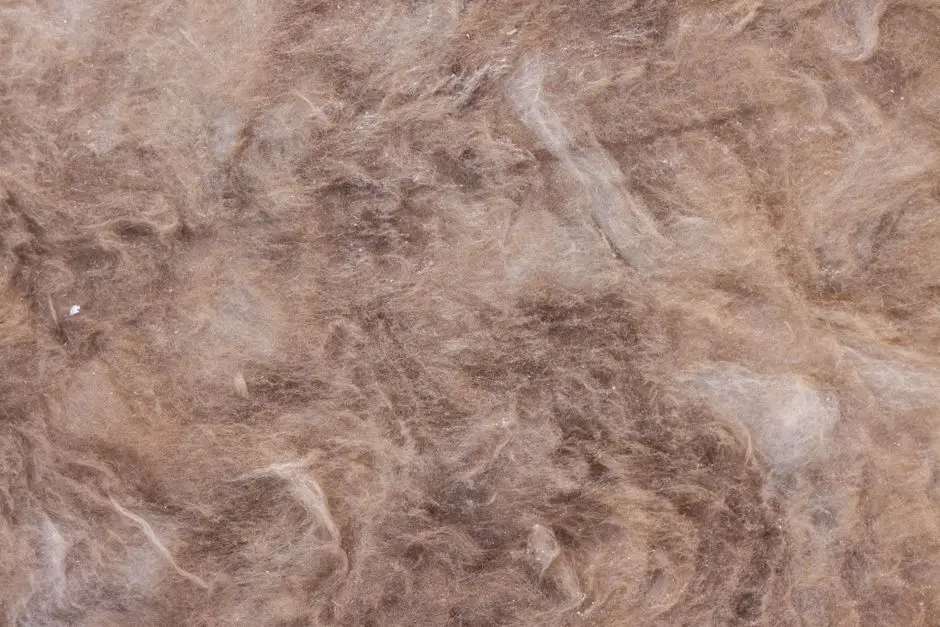


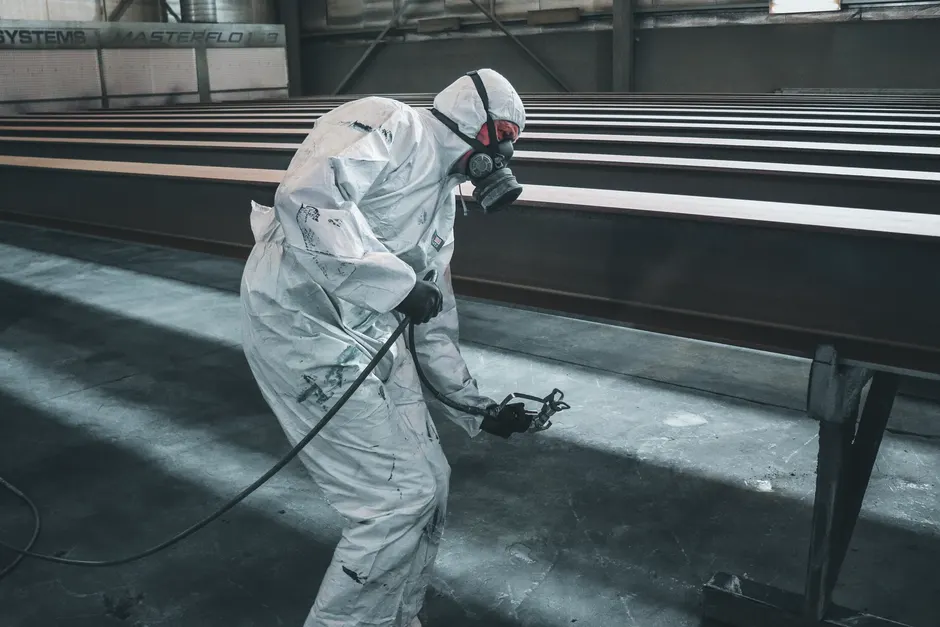
St Osyth has a particular mix of problems that come from its building stock and its position on the coast. Period and listed properties around the historic core were never designed for sealed roof voids, and the salt air off the estuary accelerates damp in cavity walls. Add in a lot of farmhouses with older timbers and you get a village where spray foam removal St Osyth Essex homeowners need is genuinely different from inland Essex.
Open cell foam sprayed onto the underside of a roof covering seals the void. In a coastal village like St Osyth, where the air is already damp, that moisture has nowhere to go and condenses on the coldest surface, which is usually the rafters.
Closed cell foam injected into a cavity bridges the gap between the two leaves of the wall. That stops the wall breathing and lets damp travel inward. Properties near Point Clear and the seafront are most exposed to wind-driven rain, which makes it worse.
Lenders and surveyors treat spray foam as a risk because it hides the roof structure and can trap moisture. In St Osyth, where heritage property surveys are common, this comes up often on older cottages and farmhouses.
Foam that has been in place for over a decade can hold moisture against old rafters long enough for rot to set in. Coastal salt air speeds up the process, and it is often only discovered when the foam comes out.
Spray foam does not always announce itself. In a lot of St Osyth properties it was installed years before the current owner moved in, and the first hint is a surveyor's note rather than anything you can see. These are the triggers we hear most often, and if any of them sound familiar, it is worth getting an assessment before the problem spreads. If you are searching for loft spray foam removal in St Osyth, start with the signs below.
Damp or condensation in the loft
Foam sprayed onto roof timbers seals the void and stops moisture escaping. Along the Essex coast that shows up as condensation on the underside of the roof covering, damp patches on rafters, and a musty smell. It gets worse each winter, so it is worth acting before the timber starts to rot.
Mortgage lender or surveyor flags the foam
This is the most common trigger in St Osyth. Lenders treat spray foam as a risk because it hides the roof structure and can trap moisture. If your sale or remortgage has stalled, removal plus a documented report is usually what unblocks it.
Damp patches on internal walls
If foam has been injected into a cavity wall, it bridges the gap that should let the wall breathe. Damp then travels inward and shows up as patches on plaster, often near the floor or around window reveals. In coastal properties this can appear within a couple of winters.
Rising heating bills with a cold house
Foam that has absorbed moisture stops insulating properly. You end up heating a house that still feels cold, especially in rooms under a foamed roof. If your bills have climbed and the loft feels damp, the foam is likely working against you rather than for you.
Visible timber rot or a sagging roof line
This is the urgent one. Trapped moisture can rot rafters and roof timbers over several years, and a sagging roof line means the structure has already been affected. Call us straight away on 0333 567 2543 rather than waiting for a survey.
St Osyth is compact, but the lanes twist and some sat-nav routes send you down tracks that a loaded van should not take. We use the village landmarks as our reference points when planning a job. St Osyth Priory and St Peter and St Paul Church sit near the historic core, which tells us we are likely dealing with older fabric and tighter access. St Osyth Village Hall is a useful meeting point for customers who want to hand over keys. St Osyth Beach and Point Clear Causeway mark the coastal end, where salt air and cavity wall foam problems are most common.
A well-known landmark near the historic core of the village. It helps us orient jobs towards the older lanes and period properties, where access is tight and the building fabric needs a gentler removal method.
A central reference point in St Osyth Village. When a customer gives us a street name nearby, we know we are working in the oldest part of the village, where dry ice blasting and hand tools are usually the right approach.
A familiar meeting point in the village. Customers sometimes arrange to hand over keys here, and it helps us confirm we are heading to the right side of St Osyth before we set off.
Marks the coastal edge of the village. Jobs near the beach are more exposed to salt air and wind-driven rain, which shapes how we check roof void ventilation and timber condition after foam removal.
ZIP coverage on request — call to confirm.
St Osyth sits right on the Essex coast, so the weather drives when foam problems show up. Autumn and winter are when damp and condensation complaints peak, spring is when surveys and house sales pick up, and summer is the best window for larger roof and cavity jobs. If you are planning spray foam removal St Osyth Essex near me, timing your booking around the seasons can make the job easier.
Spring is when house sales restart and surveyors start flagging spray foam again. Damp patches that built up over winter are still visible, and roof voids are usually dry enough to inspect properly after the wetter months.
Tip: If you are selling, book an assessment in spring so removal can be completed before your buyer's survey. It keeps the sale on schedule.
Summer gives the driest roof voids and the longest working days, which makes it the best time for larger loft, roof and cavity wall removals. Foam is also easier to cut when it is not cold and brittle.
Tip: Book bigger jobs in summer if you can. It is also the right time to fit additional roof void ventilation before the damp weather returns.
Autumn is when condensation complaints start coming in across St Osyth. As temperatures drop, moisture trapped by foam shows up on rafters and roof coverings, and musty smells become noticeable in lofts.
Tip: Get the loft checked in early autumn. Catching damp before winter means less risk of timber damage and a quicker removal job.
Winter is the worst season for foam-related damp in coastal St Osyth. Salt air, wind-driven rain and cold surfaces combine to push moisture into any timber the foam has sealed off, and existing rot gets worse.
Tip: If you notice damp patches or a musty loft smell in winter, call us on 0333 567 2543. We run 24/7 call-outs and can stop the problem spreading before spring.
St Osyth sits in the middle of our service area, with Clacton on Sea to the south and the Tendring villages to the north and west. We run the same crews and the same equipment across all of them, so a job in St Osyth is not treated as an out-of-area call. If you are just outside the village, we almost certainly cover you.
(City)
About 10 minutes south of St Osyth along the B1027. Many of our St Osyth customers first contact us through our Clacton base, and we cover both areas with the same team.
View Clacton Town Centre(City)
Roughly 10 to 15 minutes from St Osyth. A mix of older and newer housing, and we regularly move between Great Clacton and St Osyth jobs on the same day.
View Great Clacton(City)
Around 15 minutes down the coast. Coastal properties here share the same damp and cavity wall foam issues we see in Point Clear, so the approach is similar.
View Holland-on-Sea(City)
About 15 minutes south west of St Osyth. We cover Jaywick with the same loft and cavity wall removal services, and it is a common add-on to a St Osyth run.
View Jaywick(City)
Effectively the coastal end of St Osyth, reached via Point Clear Causeway. We treat it as part of the same coverage area and often work both in one visit.
View Point Clear(City)
Roughly 10 minutes from St Osyth on the Clacton side. A residential area where we handle loft and attic spray foam removal alongside our St Osyth bookings.
View Bocking's ElmReal answers from our team for the questions we hear most often before a job starts.
If a surveyor has flagged foam in your loft or cavity wall, or you have spotted damp and condensation in a St Osyth property, we can help. We have worked the village since 2022, we are insured and CHAS accredited, and we give you a fixed price after the assessment. Same day and 24/7 call-outs cover St Osyth Village, Mill Street, Church Square and Point Clear. Call 0333 567 2543 and we will talk through what you are seeing before we book you in.
Call us on 0333 567 2543 between 08:00 and 18:00, Monday to Friday, and you will speak to someone who has actually been up a Clacton loft this month. Out of hours, leave a message and we will call you back first thing. For surveys, quotes and documentation requests, email info@sprayfoamremovalclactononsea.com and we will reply the same working day.
Phone
03335672543Address
72-78 Rosemary Rd, Clacton on Sea CO15 1TZ, UK, Clacton on Sea, Essex
Hours
Mon–Fri: 7AM – 7PM
Sat: 8AM – 4PM
Sun: Emergency Only
24/7 Emergency Available