Spray Foam Removal Clacton on Sea
Get Estimate

Spray foam removal in Holland-on-Sea done right, first time

Spray foam removal in Holland-on-Sea is what we do week in, week out, from the bungalows off Kings Parade to the seafront detached homes on Marine Parade. If a surveyor has flagged your loft insulation, or your mortgage lender wants the foam gone before they release funds, we extract it, bag it and leave the timbers clean. Same-day call-outs across CO15 5 and CO15 6.

Get a free survey Call 03335672543
Years serving Holland-on-Sea Emergency call-out Foam extracted
Licensed Licensed & Bonded
Fully Insured Insured & Bonded
24/7 Emergency Same-Day Response
Warranty Backed 4+ Years Trusted in Holland-on-Sea
Holland-on-Sea

Spray foam removal in Holland-on-Sea you can actually rely on


Spray foam removal in Holland-on-Sea is a specialist job, and it is not the same as pulling out old mineral wool. The foam sprayed into lofts across this village in the 2000s and 2010s has now had a decade or more to trap moisture against rafters, and coastal air off Holland-on-Sea Beach does not help. We have worked the CO15 5 and CO15 6 postcodes since 2022, and we know which streets have the bungalows with shallow lofts and which have the taller detached roofs where access is tight. Our technicians use a boroscope inspection camera to check rafter condition before anyone swings a tool, because cutting foam off a rotten rafter just hides the problem. If you have been searching for spray foam removal near Holland-on-Sea and getting vague answers, we give you a straight one: what is in your loft, what it will take to get it out, and what it costs. We cover Holland-on-Sea Village, Frinton Road, Holland Road and the Kings Parade area as standard, and we are on the road to Clacton Town Centre and Great Clacton the same day.

  • Locally licensed and insured in Holland-on-Sea
  • Same-day diagnostics and written estimates
  • Real workmanship warranty in writing
  • Background-checked, in-house technicians

Spray foam removal services available in Holland-on-Sea

Demand in Holland-on-Sea splits roughly three ways: loft spray foam removal in the bungalows, cavity wall spray foam removal in the post-war semis, and mortgage-driven extractions where a lender will not proceed until the foam is gone. If you have been typing spray foam removal in Holland-on-Sea near me into your phone, you are in the right place. We run all of it from one van fleet based minutes away.

Spray Foam Removal near me

Spray Foam Removal near me

We cover every street in Holland-on-Sea, from the seafront bungalows on Marine Parade to the family homes off Frinton Road. Local searches for spray foam removal near me usually land on a loft or cavity job, and we can usually survey within 48 hours. Bring us a surveyor's report or a lender's letter and we will price the extraction from that.

View Details
same day Spray Foam Removal

same day Spray Foam Removal

Same day spray foam removal in Holland-on-Sea is available for urgent cases, typically where a survey is booked and the foam has to be gone before the valuer arrives. We keep slots open each morning for CO15 5 and CO15 6 addresses. Call before 10am and we can often be in your loft that afternoon.

View Details
24/7 Spray Foam Removal

24/7 Spray Foam Removal

Our phone line runs 24 hours for Holland-on-Sea and the surrounding Tendring villages. Genuine overnight emergencies are rare, but we do get calls after storms when water has got into a loft through failed flashing and the foam is holding it against the rafters. We will talk you through making it safe until we arrive.

View Details
Residential Spray Foam Removal

Residential Spray Foam Removal

Most Holland-on-Sea work is residential: bungalows, detached seafront homes and the semis running inland towards Great Clacton. We extract open cell and closed cell foam from lofts, roof slopes and cavity walls, then dispose of it under waste transfer paperwork. Dust sheets, air scrubbers and a full clean-down are standard on every house job.

View Details
Commercial Spray Foam Removal

Commercial Spray Foam Removal

Holland-on-Sea has a small commercial strip around Kings Parade and along Frinton Road, plus guest houses and care homes that need foam removed before a refit or a fire risk assessment. We work out of hours so trading is not disrupted, and we can phase larger extractions across several nights if the building has to stay open.

View Details
loft spray foam removal

loft spray foam removal

Loft spray foam removal in Holland-on-Sea is our most common job by a distance. The village's bungalows have shallow, low-pitch lofts that were easy to spray and are now awkward to clear. We cut the foam back in sections with an oscillating multi-tool and a reciprocating saw, bag it on site, and vacuum the residue so the rafters are left clean enough for a surveyor to inspect.

View Details
roof spray foam removal

roof spray foam removal

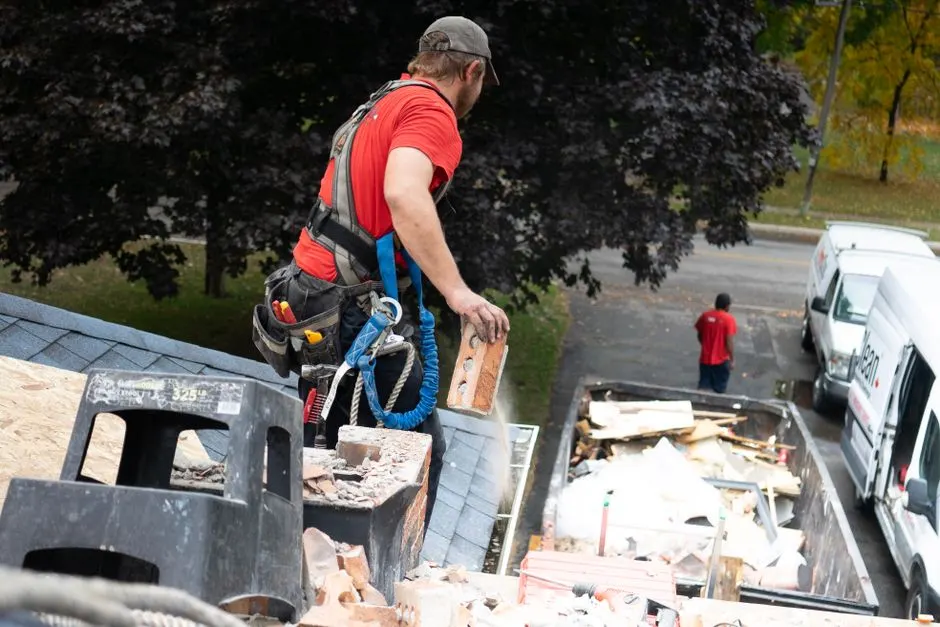
Foam sprayed directly onto the underside of roof slopes and tiles is the hardest to remove without damaging the covering. On Holland-on-Sea's older roofs we use a thermal lance on stubborn patches and dry ice blasting on the more brittle foam, working from a boarded platform so nothing is levered against the tiles. We check every rafter with a moisture meter before we finish.

View Details
Attic spray foam removal

Attic spray foam removal

Attic spray foam removal across Holland-on-Sea often means working in spaces with no proper access hatch, especially in the older bungalows near Holland Haven Country Park. We cut a temporary access where needed, protect the ceiling below, and remove the foam in manageable sections. Insulation is reinstalled to current standards once the timbers are dry.

View Details
spray foam insulation removal

spray foam insulation removal

Spray foam insulation removal in Holland-on-Sea covers both the foam itself and the mess it leaves behind: trapped condensation, stained timbers and failed vapour barriers. We strip the foam, treat any timber that shows early rot, and replace the vapour barrier so the loft performs the way it was meant to. Full waste transfer notes are provided for your records.

View Details
open cell spray foam removal

open cell spray foam removal

Open cell spray foam is softer and comes out faster than the closed cell variety, but it soaks up coastal moisture like a sponge. In Holland-on-Sea's bungalows we often find it saturated after a winter of sea air and driving rain. We remove it, dry the loft space out with air scrubbers, and check the rafters before anything goes back in.

View Details
closed cell spray foam removal

closed cell spray foam removal

Closed cell spray foam is the type most mortgage lenders object to, and it is the most common reason a Holland-on-Sea sale stalls. It is dense, bonded hard to the timber, and has to be cut back rather than pulled. We use reciprocating saws and multi-tools to slice it into sections, keeping the rafter faces intact so the structural timber is not compromised.

View Details
mortgage lender spray foam removal

mortgage lender spray foam removal

If your buyer's lender has refused a mortgage because of spray foam, we can help. We produce a clear removal report with before and after photographs, timber moisture readings and waste transfer documentation that satisfies most surveyors and lenders. This is one of our busiest services in Holland-on-Sea, where older owners and seafront sales make lender scrutiny common.

View Details
insulation removal service

insulation removal service

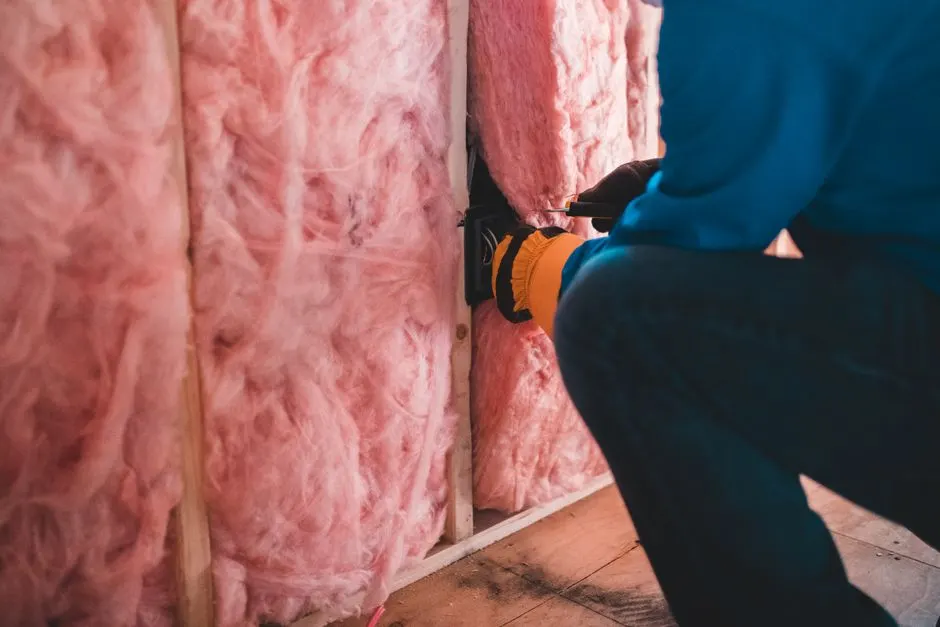
Our insulation removal service in Holland-on-Sea handles foam, old mineral wool and contaminated insulation in one visit. If a previous installer left a mess, or a leak has soaked the loft insulation through, we clear it all out, dispose of it properly and leave the space ready for a clean reinstall. One visit, one invoice.

View Details
insulation assessment

insulation assessment

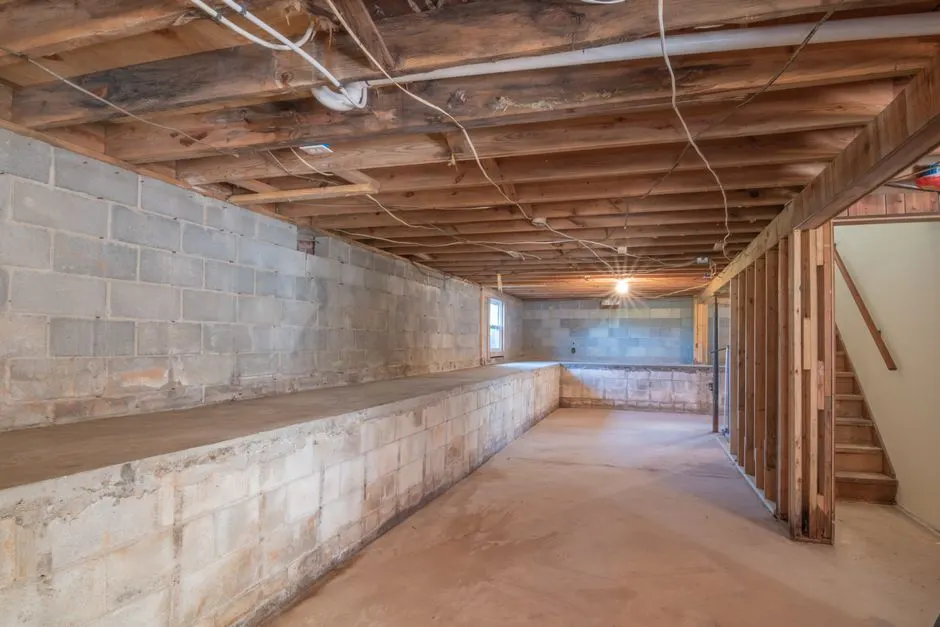
An insulation assessment in Holland-on-Sea tells you what is actually in your loft before you commit to anything. We inspect with a boroscope camera, take moisture readings from the timbers, and check whether the foam has bridged the cavity or blocked ventilation. You get a written summary you can hand to a surveyor, lender or buyer.

View Details
dry ice blasting spray foam removal

dry ice blasting spray foam removal

Dry ice blasting is our go-to method for brittle, flaking foam on Holland-on-Sea's older roof timbers. The dry ice pellets lift the foam without abrasion, so the timber surface underneath is left intact and there is no secondary media to clean out of the loft. It is slower than cutting, but on fragile rafters it is the safer route.

View Details
Cavity wall spray foam removal

Cavity wall spray foam removal

Cavity wall spray foam removal in Holland-on-Sea is usually driven by a mortgage survey or by damp patches appearing on internal walls. Foam injected into a cavity can bridge the gap and pull water across to the inner leaf. We remove it through drilled access points, clear the bridging, and reinstate the wall so it can breathe again.

View Details
sand blasting spray foam insulation removal

sand blasting spray foam insulation removal

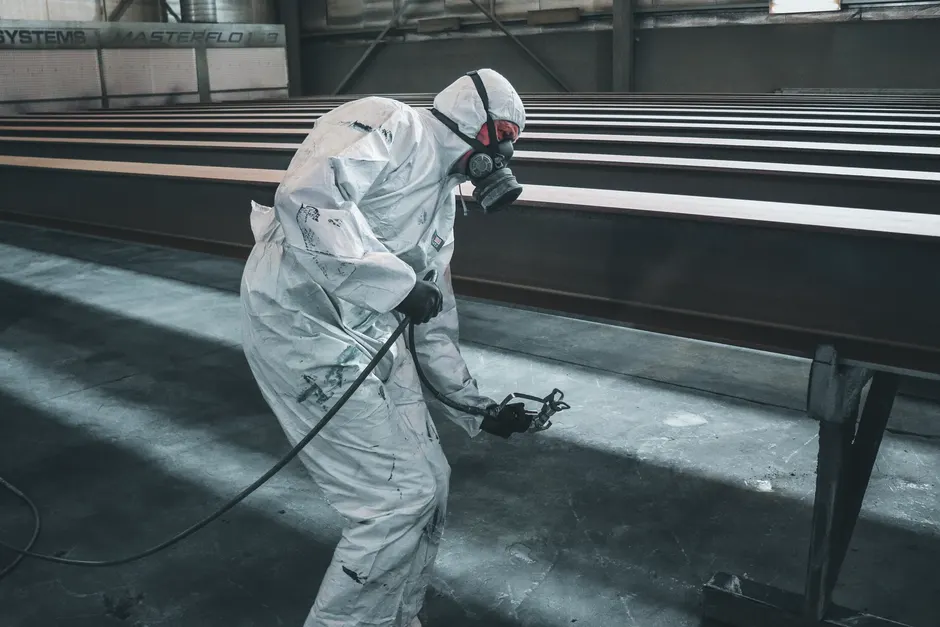
For hard, fully cured foam on brick and blockwork, sand blasting spray foam insulation removal is the most thorough option. We use it on Holland-on-Sea's older solid-wall properties where the foam has bonded to the substrate and cannot be cut away cleanly. Abrasive blasting media is contained and extracted with an industrial vacuum extractor, so there is no dust trail through the house.

View Details
thermal spray foam removal

thermal spray foam removal

Thermal spray foam removal uses controlled heat to soften dense foam before it is scraped back, which suits the thick closed cell layers we find in some Holland-on-Sea lofts. It is a careful process: too much heat and you risk the timber, so we work in small sections with a thermal lance and monitor as we go. Best suited to foam that has gone hard and glassy.

View Details
environmentally friendly insulation removal

environmentally friendly insulation removal

Environmentally friendly insulation removal in Holland-on-Sea means separating waste streams properly rather than sending everything to landfill. Foam, timber offcuts and packaging are segregated on site, and we use low-dust methods like dry ice blasting where the material allows. You get waste transfer documentation showing where everything went.

View Details
Warehouse spray Foam removal

Warehouse spray Foam removal

Warehouse spray foam removal covers the larger commercial units around Holland-on-Sea and out towards Clacton Town Centre. These are usually high-level roof deck jobs where the foam was applied for thermal reasons and is now failing or blocking inspection. We work from mobile towers and scissor lifts, out of hours if needed, and phase the removal so the unit keeps operating.

View Details

Common spray foam problems in Holland-on-Sea

Holland-on-Sea has a particular set of conditions that make spray foam misbehave: coastal air, an ageing housing stock and a lot of properties that were retrofitted during the foam boom. Add in the fact that this is a popular retirement area where homes change hands regularly, and you get a steady stream of survey-driven removal work.

Mortgage refusal due to spray foam in the loft

Lenders and their surveyors treat spray foam as a hidden-defect risk, especially closed cell foam bonded to roof timbers. In Holland-on-Sea, where many properties are sold as part of retirement downsizing, this objection regularly stalls sales at the last minute.

Damp from spray foam insulation trapped against rafters

Spray foam seals a roof space far more tightly than the original design allowed for. In a coastal village like Holland-on-Sea, moisture-laden air cannot escape, condenses on the cold side of the foam and soaks into the rafters behind it.

Timber rot from trapped moisture behind foam

Once rafters stay wet for long enough, rot sets in. It is more common in the older bungalows around Holland-on-Sea Village because the timbers are original and have less tolerance for prolonged damp than modern treated timber.

Cavity wall bridging causing internal damp

Foam injected into a cavity can bridge the gap between the outer and inner leaf, giving moisture a path straight through the wall. It shows up as damp patches on internal walls, often after a wet winter, and is a common finding in Holland-on-Sea's post-war semis.

Signs you need spray foam removal in Holland-on-Sea

Most people in Holland-on-Sea do not call us because they want the foam gone. They call because something else has happened: a survey has come back with an objection, a damp patch has appeared, or a loft has started to smell. If you are searching for spray foam removal in Holland-on-Sea near me and any of the following sounds familiar, it is worth getting an assessment before the problem spreads.

  • Mortgage lender or surveyor has objected to the foam

    This is the most common trigger in Holland-on-Sea. Lenders treat spray foam as a risk because it can hide timber defects and trap moisture. Once it is flagged, the sale usually cannot proceed until the foam is removed and the timbers are inspected and documented.

  • Damp or musty smell in an upstairs room

    Foam that has trapped moisture against rafters will eventually show up as a smell inside the house, often in a back bedroom or landing. By the time you can smell it, the timber behind the foam is usually damp and needs checking before it rots.

  • Staining or bubbling on an upstairs ceiling

    Brown staining or paint bubbling on a ceiling below a foamed roof slope points to moisture sitting where it should not be. It can also mean the foam has blocked ventilation that the roof relied on. Either way, it needs investigating before the plaster fails.

  • Condensation forming on roof timbers or felt

    If you go into the loft and see beads of water on the rafters or the underside of the felt, the foam has almost certainly sealed the roof too tightly. Coastal air in Holland-on-Sea makes this worse. Left alone, wet timbers rot and the roof structure suffers.

  • Foam visibly shrinking, cracking or pulling away

    Older foam that has started to shrink and crack is no longer doing its job and is letting air and moisture past it. Cracked foam is also harder to remove cleanly because it breaks into fragments. A survey now is cheaper than dealing with the fallout later.

Getting around Holland-on-Sea

Holland-on-Sea is a compact village and we know it street by street, but landmarks still do the work when we are routing vans or explaining where we will park. Holland-on-Sea Beach and the seafront gardens are the main orientation points for anything on the sea side of the village, while Holland Haven Country Park marks the northern edge where the roads get narrower and the properties more spread out. If you are giving us directions, the easiest thing is to name the nearest landmark and we will find you.

Holland-on-Sea Beach

The main seafront reference point. Properties on the sea side of the village are easiest to locate by their distance from the beach and the promenade, and it helps us plan parking where frontages are tight.
Holland Haven Country Park

Marks the northern edge of the village where roads narrow and properties are more spread out. Useful for routing to addresses on the edge of CO15 5 where satnav often overshoots.

Kings Parade Gardens

A central orientation point on the commercial strip. Jobs around Kings Parade are usually scheduled with this as the meeting point because parking directly on the frontage is restricted.

Holland-on-Sea Library

A handy reference for the village centre streets. If you are directing us to a property nearby, naming the library puts us within a couple of minutes of most central addresses.

Coverage across Holland-on-Sea

ZIP coverage on request — call to confirm.

How the seasons affect spray foam removal in Holland-on-Sea

Coastal Holland-on-Sea has a milder but wetter climate than inland Essex, and that shapes when foam problems surface and when we can work. Autumn and winter are when damp complaints peak, spring is when survey-driven jobs pick up, and summer is the best window for larger roof and commercial work.

Spring

Spring is when the housing market wakes up and survey-driven foam objections start landing on our desk. Damp patches that appeared over winter are still visible, and buyers are often pushing for a quick turnaround before a mortgage offer expires.

Tip: If you are selling, get the loft assessed before your buyer's surveyor does. Removing foam early takes the objection off the table and keeps the chain moving.

Summer

Summer gives the driest roof voids and the longest working days, which makes it the best time for larger jobs like full roof slope extraction and warehouse foam removal. Foam is also at its most brittle in warm weather, which helps with dry ice blasting.

Tip: Book larger removals between June and August if you can. Access is easier, drying times are shorter and you are not competing with emergency winter call-outs for diary space.

Fall

As the weather turns, moisture levels in roof voids climb and any foam that has been trapping damp starts to show. This is when we get the first musty-smell calls of the year, and when condensation on timbers becomes visible.

Tip: Check your loft before the worst of the weather arrives. If you can see condensation on the felt or the rafters, get an assessment booked rather than waiting for staining to appear on the ceiling.

Winter

Winter is peak season for damp-related foam problems in Holland-on-Sea. Driving rain off the sea, combined with foam that has sealed the roof, leaves timbers wet for weeks. Storm damage can also let water in through failed flashing, which the foam then holds against the rafters.

Tip: If a storm has driven water into your loft, call us before the foam soaks it up. The sooner the void is dried and the foam removed, the less chance there is of rot setting in.

Nearby towns we cover from Holland-on-Sea

Holland-on-Sea sits in the middle of a cluster of Tendring communities we serve on the same rounds. If you are just outside the village, we almost certainly cover you, and the travel time from our base is short enough that we can treat these as local jobs rather than distant ones.

Spray foam removal in Holland-on-Sea: your questions answered

Real answers from our team for the questions we hear most often before a job starts.

How much does spray foam removal cost in Holland-on-Sea?
Most Holland-on-Sea jobs fall between 1,200 and 4,500 pounds in 2026. A small open cell loft in a bungalow sits at the lower end, while full closed cell roof slope extraction on a larger detached property sits at the top. Cavity wall removal is usually 900 to 2,000 pounds per wall run. We survey first and give you a fixed price, not a range.
Who is the best spray foam removal company in Holland-on-Sea?
The right company is the one that inspects your timbers before cutting, gives you a fixed price after a survey, and hands over a documentation pack your lender will accept. We have worked Holland-on-Sea since 2022, cover CO15 5 and CO15 6 daily, and provide before and after photographs, moisture readings and waste transfer notes as standard on every removal.
Is spray foam removal near me available in Holland-on-Sea Essex?
Yes. We cover the whole village, including Holland-on-Sea Village, Kings Parade, Frinton Road and Marine Parade, plus the surrounding Tendring towns. Surveys are usually booked within 48 hours, and we hold same-day slots each morning for urgent lender and survey deadlines. Call 03335672543 and we will confirm the earliest slot.
Does spray foam removal affect your mortgage in Holland-on-Sea?
Spray foam can block a mortgage, and it is one of the most common reasons sales stall in this village. Lenders see it as a hidden-defect risk, particularly closed cell foam bonded to roof timbers. Once the foam is removed and the timbers are inspected and documented, most lenders will proceed. Our removal report is built for exactly that purpose.
How long does loft spray foam removal take in Holland-on-Sea?
A straightforward open cell loft in a bungalow usually takes one day. Closed cell foam across a full roof slope on a larger detached property typically runs two to three days, and cavity wall removal is often a single day per wall run. Access is the main variable here, because many Holland-on-Sea bungalows have narrow side returns and tight loft hatches.

Book spray foam removal in Holland-on-Sea today

If a surveyor has flagged your loft, or you have spotted damp on a rafter, do not wait for it to get worse. We cover every street in Holland-on-Sea, from the bungalows off Kings Parade to the seafront homes on Marine Parade, and we can usually survey within 48 hours. You get a fixed price after the survey, a documented removal that satisfies lenders, and a loft left clean and dry. Call us and we will tell you straight what needs doing.

Book a survey Send a Message

Talk to our Clacton team

Call us on 0333 567 2543 between 08:00 and 18:00, Monday to Friday, and you will speak to someone who has actually been up a Clacton loft this month. Out of hours, leave a message and we will call you back first thing. For surveys, quotes and documentation requests, email info@sprayfoamremovalclactononsea.com and we will reply the same working day.

Or call us right now at 03335672543 — we answer.

Spray Foam Removal Clacton on Sea


  • Phone

    03335672543
  • Address

    72-78 Rosemary Rd, Clacton on Sea CO15 1TZ, UK, Clacton on Sea, Essex

  • Hours

    Mon–Fri: 7AM – 7PM
    Sat: 8AM – 4PM
    Sun: Emergency Only
    24/7 Emergency Available

Call 03335672543 Get Quote
Call Quote