Frinton Road Playing Field
A useful orientation point for the eastern stretch of Frinton Road. We use it to confirm which side of the road a property sits on and to judge the quickest approach from the Holland-on-Sea direction.

Spray foam removal in Frinton Road is a specialist job, and it is one we have handled across this corner of Essex since 2022. Frinton Road runs through a suburban residential area with mixed housing stock, and that mix is exactly why foam problems show up here in so many different shapes. You get 1930s semis with open cell spray foam pumped into the loft, 1970s link-detached homes with closed cell foam bridging the cavity, and bungalows near Kings Parade where the roof void has been sealed so tightly that condensation in the loft has nowhere to go. We work on all of it. Our technicians use boroscope inspection cameras to see behind the plasterboard before we cut anything, then remove foam with oscillating multi-tools, reciprocating saws and dry ice blasting where the timber needs protecting. Every job ends with an industrial vacuum extractor and air scrubber run so your loft is clean, not just empty. If you have been searching for spray foam removal near Frinton Road because a surveyor flagged it, or because you have spotted damp from spray foam insulation on the rafters, we can assess it, remove it and document the result for your lender.
Demand in Frinton Road splits roughly into two camps: homeowners dealing with a failed mortgage survey, and homeowners dealing with the damp that spray foam insulation traps in older roofs. We cover both, plus commercial extraction on the larger units around the Clacton area. If you have been looking for spray foam removal in Frinton Road near me and want someone who can start this week, our vans are on this road most days.

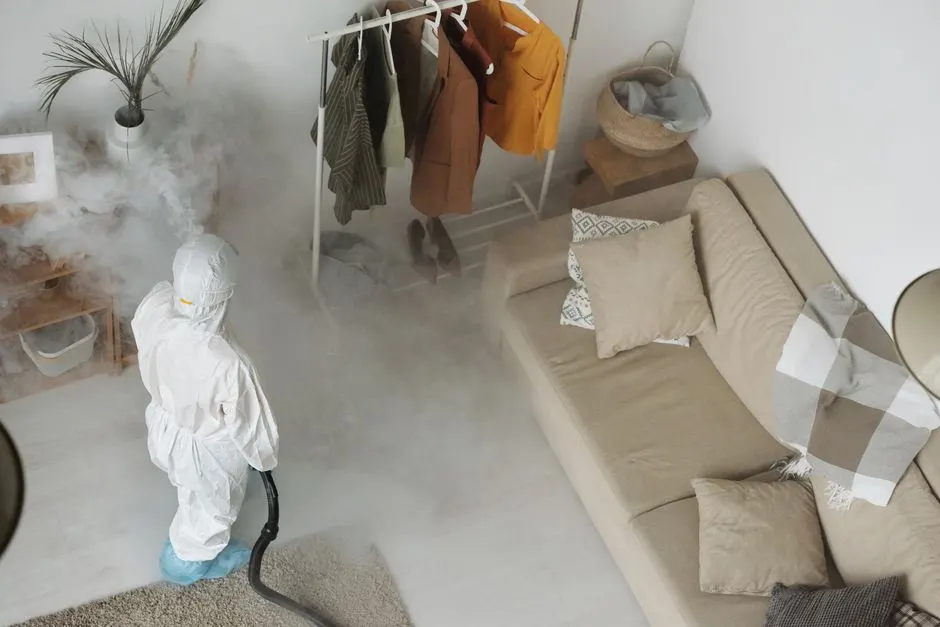






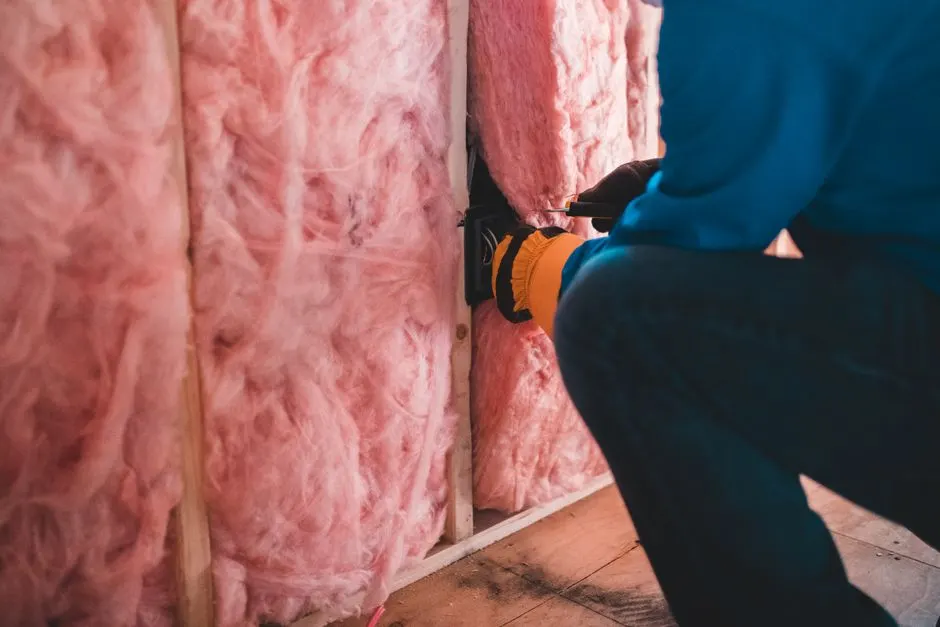






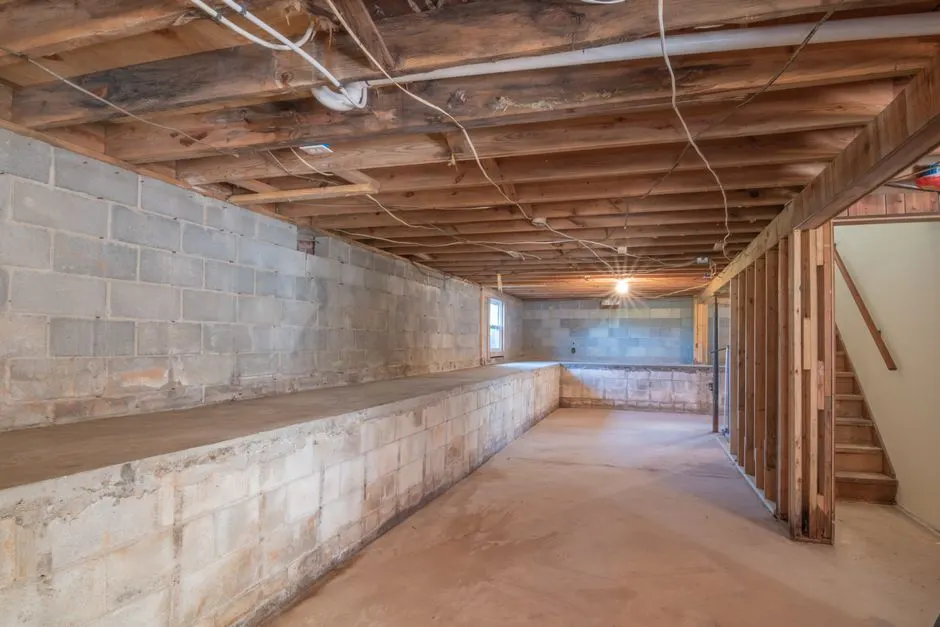




Frinton Road has a particular mix of housing and a particular climate, and both shape the foam problems we see. The coastal humidity near Holland-on-Sea amenities means moisture is always present, and the older properties on Valley Road and Holland Road have timber that does not tolerate being sealed up. Here are the four problems we deal with most often.
Lenders rely on RICS survey guidance, which treats foam at rafter level as a risk because it can hide rot and prevent the roof from breathing. On Frinton Road, where family homes change hands regularly, this stalls sales at the worst possible moment.
Foam seals the roof void, so warm moist air from the house cannot escape. In a coastal climate like this one, that moisture condenses on the coldest surface, which is usually the roof timbers. Over months, the wood stays wet and rot begins.
Retrofit cavity foam bridges the gap between the two leaves of the wall, giving water a path from the outer brick to the inner leaf. On the 1970s and 1980s houses around Frinton Road, this shows up as damp patches on internal walls after driving rain.
A survey that flags spray foam can knock thousands off an offer, or kill the sale entirely. Buyers see it as a problem to be solved and price accordingly, even when the foam itself is not causing active damage.
Not every foam installation needs to come out. But if you are seeing any of the signs below, it is worth getting an assessment before the problem gets more expensive. If you have been searching for spray foam removal in Frinton Road near me because a surveyor has already flagged it, treat that as the strongest signal of all.
Surveyor has flagged spray foam on the mortgage report
This is the clearest signal. RICS surveyors treat foam installed at rafter level as a lending risk because it can trap moisture and hide timber rot. Lenders will usually not release funds until it is removed and documented, so the sooner you act, the sooner the sale moves.
Musty smell in the loft or back bedroom
A damp, earthy smell that will not clear is often the first sign that foam has sealed the roof void and moisture has nowhere to escape. Left alone, that moisture feeds timber rot. Get a moisture meter reading before the rafters are affected.
Dark staining or discolouration on roof timbers
Brown or black staining on rafters and battens means water has been sitting against the wood for a while. By the time it is visible, rot may already be starting. This needs urgent assessment, not a wait-and-see approach.
Condensation forming on the underside of the roof
Water droplets on the roof felt or foam surface in cold weather show that warm moist air is being trapped. Foam stops the roof breathing, so the moisture condenses on the coldest surface. Ventilation or removal is the fix.
Loft feels stuffy and noticeably hotter in summer
Closed cell foam in particular insulates so effectively that the loft can become uncomfortably hot in July and August. If your loft is noticeably hotter than it used to be, the foam is likely blocking ventilation as well as heat loss.
Frinton Road is a long residential spine, and knowing the landmarks makes the difference between arriving on time and circling. We use Frinton Road Playing Field as our main orientation point for the eastern end of the road, and Clacton Leisure Centre when we are heading toward the town side. For jobs nearer the coast, Holland Haven Country Park and Burrsville Park are the markers we navigate by. Clacton Coastal Academy is a useful reference for the school-run hours, when parking on the surrounding streets gets tight and we plan around drop-off and pick-up.
A useful orientation point for the eastern stretch of Frinton Road. We use it to confirm which side of the road a property sits on and to judge the quickest approach from the Holland-on-Sea direction.
A recognisable marker on the town side of the area. When a customer gives us a postcode near the leisure centre, we know we are dealing with the busier end of Frinton Road and plan parking accordingly.
The country park sits close to the coastal end of the area and helps us place properties near the Holland-on-Sea boundary, where the road names change and sat-nav sometimes sends us down the wrong turning.
A local reference point for the residential streets feeding off Frinton Road. We use it to route between jobs when we have two or three assessments booked in the same afternoon.
ZIP coverage on request — call to confirm.
Frinton Road sits on the Essex coast, so the seasons here are milder than inland but noticeably damper. That shapes when foam problems surface and when we get the most calls. Autumn and winter are our busiest months for damp-related removals, while spring and summer are when survey-driven jobs tend to land.
Spring is when buyers start viewing properties and surveys get booked. We see a spike in mortgage lender spray foam removal jobs from March onward, often with tight deadlines before exchange. Damp patches from winter also become visible as the weather warms.
Tip: If you are selling this year, get the loft assessed before your first viewing. Removing foam early avoids a last-minute panic when a surveyor flags it.
Lofts get hot, and closed cell foam makes them hotter. Customers on the Frinton Road Estate often notice the loft is uncomfortably warm in July and August, which is the first clue that ventilation is blocked. It is also the easiest time of year to work in a loft.
Tip: Book summer removals early. The long days and dry weather make extraction quicker, and we can often complete a full loft in a single visit.
As temperatures drop, condensation starts forming on foam surfaces and roof timbers. This is when musty smells and damp patches appear. Coastal humidity near Holland Haven Country Park makes autumn a busy period for damp-related assessments.
Tip: Check your loft in October before the cold sets in. If you see droplets on the foam or felt, get a moisture reading done straight away rather than waiting for rot to develop.
Winter is peak season for emergency calls. Driving rain finds its way through bridged cavities, and condensation in sealed lofts is at its worst. We also get urgent calls from buyers whose surveys are booked before Christmas.
Tip: Keep the loft hatch open for an hour a week to let moisture escape, and call us if you see staining on timbers. Our 24/7 line covers survey deadlines and active leaks through the winter.
Frinton Road sits inside a compact service region, and we cover the whole of it from the same base. Most of these areas are within a 15-minute drive, which is why we can offer same-day assessments across the patch rather than pushing everything to the following week.
(City)
Roughly a 10-minute drive from Frinton Road. Many of our commercial jobs are here, and residential customers often find us after a surveyor in the town centre flags spray foam.
View Clacton Town Centre(City)
A short drive inland from Frinton Road. Similar housing stock to the Frinton Road Estate, with the same open cell loft foam problems and the same mortgage survey pressure.
View Great Clacton(City)
Directly adjacent to Frinton Road, effectively the next neighbourhood along. We move between the two constantly, and the coastal humidity issues are identical on both sides of the boundary.
View Holland-on-Sea(City)
A short drive down the coast from Frinton Road. Older, lighter-built properties here need careful handling, and we often use dry ice blasting where the timber is too fragile for saws.
View Jaywick(City)
Around 15 minutes from Frinton Road. A mix of older village properties and newer builds, with cavity wall foam a common issue in the post-war housing.
View St Osyth(City)
A coastal neighbour to the south, similar distance to St Osyth. We cover loft and cavity foam removal here on the same schedule as our Frinton Road rounds.
View Point ClearReal answers from our team for the questions we hear most often before a job starts.
If a surveyor has flagged the foam in your loft, or you have spotted damp on the timbers, call us today. We cover Frinton Road and the CO15 4 and CO15 5 postcodes six days a week, with emergency cover 24/7 for survey deadlines. Every job ends with a documented report your lender can rely on. Free assessment, fixed price, and we turn up when we say we will.
Call us on 0333 567 2543 between 08:00 and 18:00, Monday to Friday, and you will speak to someone who has actually been up a Clacton loft this month. Out of hours, leave a message and we will call you back first thing. For surveys, quotes and documentation requests, email info@sprayfoamremovalclactononsea.com and we will reply the same working day.
Phone
03335672543Address
72-78 Rosemary Rd, Clacton on Sea CO15 1TZ, UK, Clacton on Sea, Essex
Hours
Mon–Fri: 7AM – 7PM
Sat: 8AM – 4PM
Sun: Emergency Only
24/7 Emergency Available