Gorse Lane Playing Field
A central reference point for the Gorse Lane Estate. We use it to orient ourselves when a customer gives a street name without a number, and it helps us plan parking away from the busiest residential corners.

Spray foam removal in Gorse Lane is a specialist job, and we have been doing it here since 2022. Gorse Lane is a suburban residential area with mixed housing stock, which means we see everything from 1930s semis near the Gorse Lane Playing Field to newer family homes off Holland Road. Most of the foam we remove was installed as loft insulation or cavity wall insulation years ago and is now causing problems at survey stage. We use a reciprocating saw, oscillating multi-tool and dry ice blasting machine to take foam off rafters without tearing the timber. If you need spray foam removal near Gorse Lane, we cover the whole CO15 4 and CO15 5 area. Our team works to PAS 2035 principles and leaves a vapour barrier and timber treatment plan where it is needed. We are not the cheapest quote you will get, but we are the one that gets signed off by a lender.
Every job in Gorse Lane starts with an insulation assessment. We check the foam type, the timber condition and whether the roof void has been bridging moisture. If you have been searching for spray foam removal in Gorse Lane near me, this is the full list of what we can do on your property, from a single loft to a full warehouse strip-out.

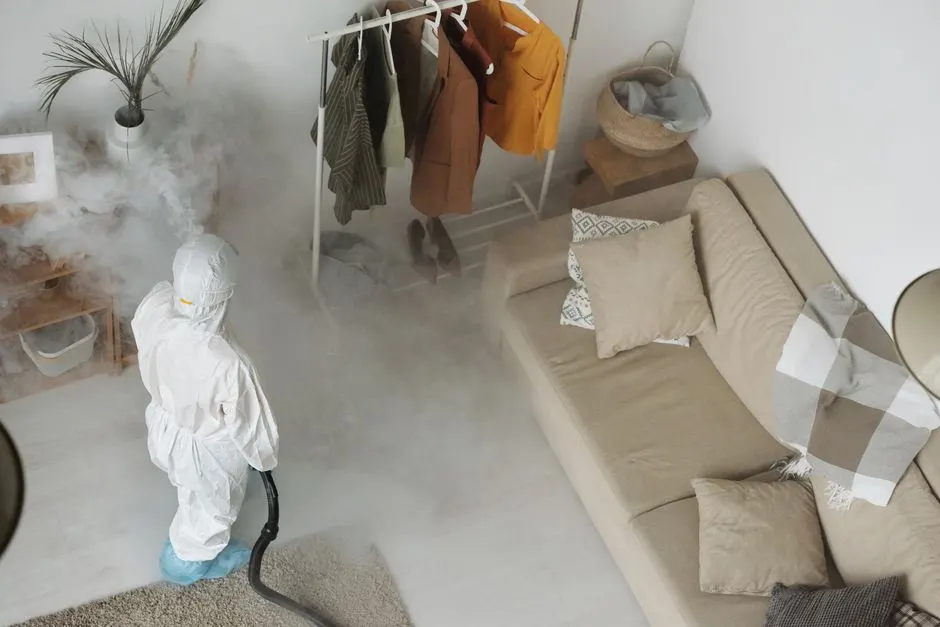




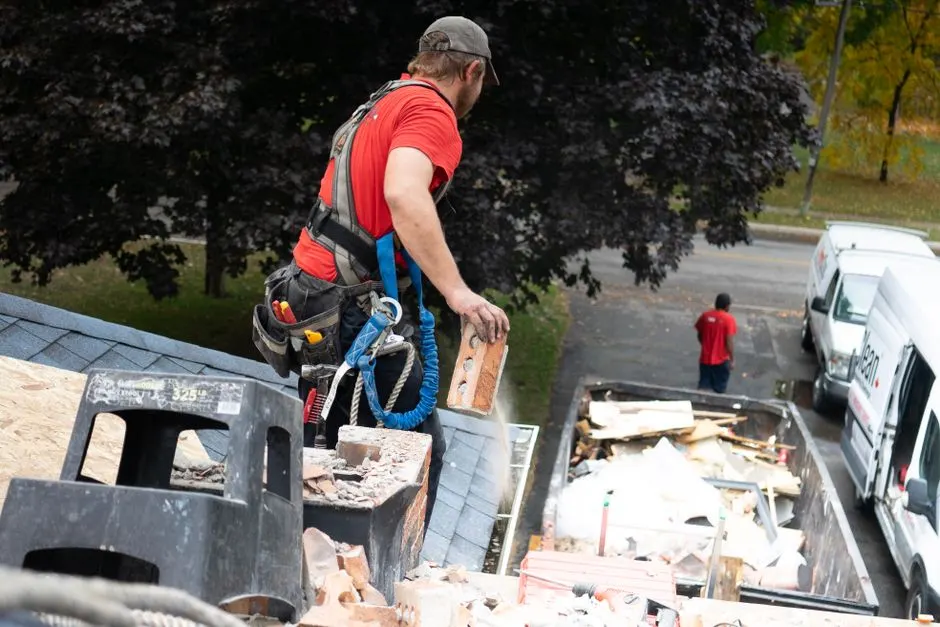

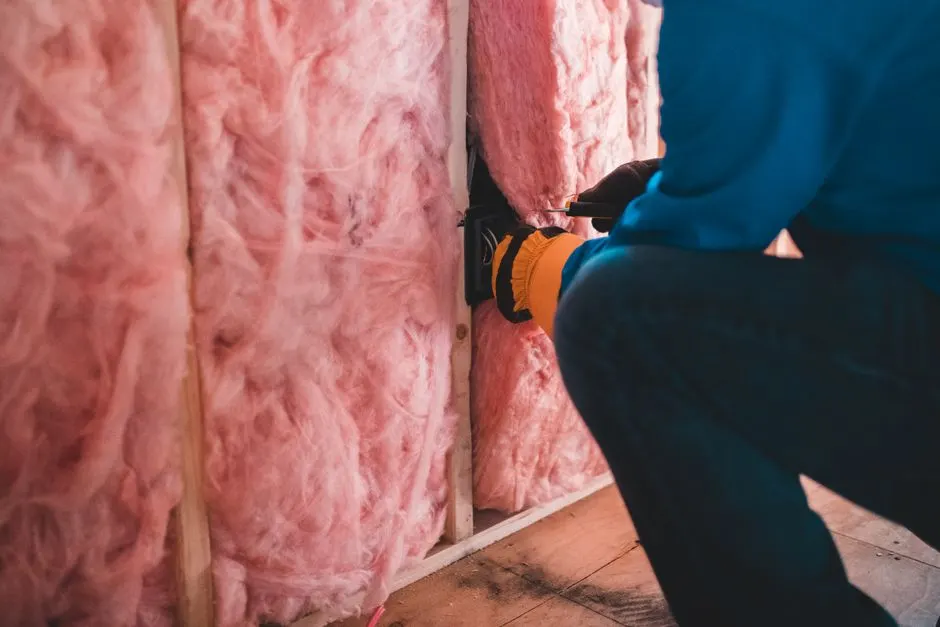






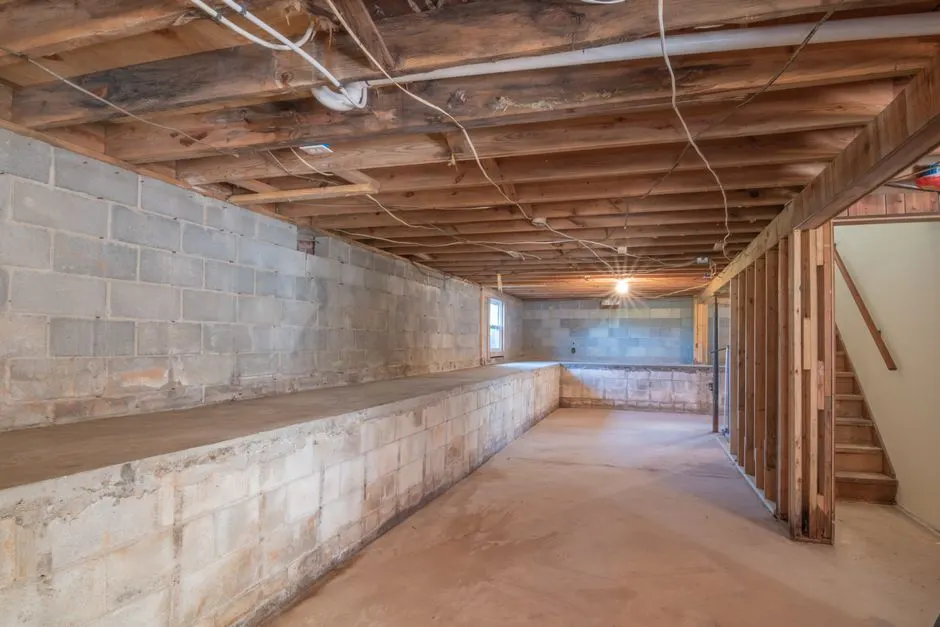




Gorse Lane has a specific mix of housing and coastal weather that creates recurring foam problems. The properties here are close enough to the sea to get wind-driven rain, and many were insulated during a period when spray foam was sold as a quick fix. That combination is why we see the same four issues again and again.
Lenders and surveyors treat foam as a hidden-defect risk because it can conceal rotten timbers. In Gorse Lane, where family homes change hands regularly, this stalls sales at the worst possible moment.
Foam injected into a cavity can bridge the gap and stop moisture from draining. Coastal properties near Holland Haven Country Park are more exposed, so the damp shows up faster on internal walls.
Foam applied directly to roof timbers blocks ventilation and traps condensation. Over several winters, the rafters stay wet and start to rot. Older Gorse Lane properties with original timber are most at risk.
A survey that notes spray foam can knock thousands off a valuation and scare off buyers. In Gorse Lane, where many homes are bought with mortgages, this affects both sale price and how long a property sits on the market.
Foam does not always announce itself. Most Gorse Lane homeowners only find out there is a problem when a surveyor, lender or buyer raises it. These are the signs we see most often, and any one of them is worth a proper assessment.
Surveyor flags foam in the loft report
This is the most common trigger in Gorse Lane. Lenders treat spray foam as a risk because it can hide timber defects and trap moisture. Once it is flagged, removal and documentation are usually the only way to keep the mortgage moving.
Damp patches on internal walls
Foam that bridges a cavity stops the wall from breathing, so moisture pushes inward. If you see damp near skirting boards or around window reveals, cavity wall foam is a likely cause and worth checking before it damages plaster.
Condensation in the loft all year round
Foam sprayed directly onto roof felt or tiles blocks ventilation. Water then condenses on the underside and drips onto timbers. Left alone, this leads to timber rot from trapped moisture and a much bigger repair bill.
Musty smell in upstairs rooms
A persistent musty smell usually means damp is sitting in the roof structure or insulation. In Gorse Lane we often find foam laid over old mineral wool, which hides the problem until the smell becomes obvious.
Foam visible around rafters or wiring
If you can see foam expanding around cables, downlights or purlins, it was likely applied without proper preparation. That is a fire risk and a sign the installation should be assessed and removed by a qualified team.
Gorse Lane is easy to find but the side roads can be confusing, so we use local landmarks to route our vans. The Gorse Lane Playing Field is our usual reference point for the estate, and Clacton Leisure Centre helps us locate jobs on the town side. Holland Haven Country Park marks the coastal end of our patch, and Burrsville Park is a handy marker for the northern streets. Clacton Coastal Academy is useful when we are booking jobs around school-run hours, because we plan around the traffic.
A central reference point for the Gorse Lane Estate. We use it to orient ourselves when a customer gives a street name without a number, and it helps us plan parking away from the busiest residential corners.
A useful marker on the Clacton side of our patch. Jobs between Gorse Lane and the town centre are easy to sequence when we route past the leisure centre, especially during morning traffic.
Marks the coastal edge of the area we cover. Properties near this end of Gorse Lane tend to be more exposed, so we allow extra time for access and for checking cavity walls.
A landmark for the northern residential streets. When a customer says they are near Burrsville Park, we know which access route to take and where to park without blocking a driveway.
ZIP coverage on request — call to confirm.
Gorse Lane gets a coastal climate, which means damp and condensation problems peak at different times of year. Autumn is when we see the first surge in calls, as homeowners start checking lofts before winter. If you have been searching for spray foam removal Gorse Lane Essex near me, the season you book in can affect how quickly we can get to you.
Spring is a good time to deal with foam before the warmer months. Lofts dry out slightly, which makes moisture readings easier to interpret, and we can see the true condition of timbers after winter.
Tip: Book an insulation assessment in spring if you had condensation over winter. Early removal avoids a second winter of trapped moisture damaging your rafters.
Summer is our busiest period for planned work. Lofts are hot but dry, which speeds up removal and lets us treat timbers in good conditions. Many Gorse Lane homeowners use the summer to get foam removed before an autumn sale.
Tip: If you are selling in autumn, book your removal in summer. It gives you time to get the documentation pack and avoids any last-minute delays with the buyer's lender.
Autumn brings the first cold snaps and the first signs of condensation in foam-filled lofts. Demand rises sharply across Gorse Lane, and survey-driven jobs often need quick turnaround before Christmas.
Tip: Check your loft in early autumn for damp patches or a musty smell. If you find either, call us before the weather turns and the schedule fills up.
Winter is when trapped moisture causes the most damage. Condensation forms on cold foam and drips onto timbers, and storm-driven rain can push water into bridged cavities. Emergency call-outs increase across the CO15 area.
Tip: If you notice a leak or a sudden damp smell in winter, call our 24/7 line. We can make the roof safe at night and return in daylight to complete the removal.
Gorse Lane sits inside a compact service region, and we run the same crew and equipment across all of it. If you are just outside the CO15 4 and CO15 5 postcodes, we almost certainly still cover you.
(City)
About a ten-minute drive from Gorse Lane. Many of our commercial jobs and flat conversions are here, and we often combine them with residential work on the same day.
View Clacton Town Centre(City)
A short run north of Gorse Lane. Similar housing stock and the same mortgage-survey demand for foam removal, so we treat it as part of the same daily route.
View Great Clacton(City)
Directly along the coast from Gorse Lane. Coastal exposure means more cavity wall foam problems here, and we regularly work both areas in one day.
View Holland-on-Sea(City)
A short drive south-west of Gorse Lane. Older and more varied housing stock, with foam removal often needed before renovation or sale.
View Jaywick(City)
Roughly fifteen minutes from Gorse Lane. Rural and village properties with thicker walls and different cavity construction, which changes how we approach extraction.
View St Osyth(City)
A coastal village within easy reach of Gorse Lane. Exposed properties here often need cavity and loft foam removal together, so we book longer slots.
View Point ClearReal answers from our team for the questions we hear most often before a job starts.
If a surveyor has flagged foam in your Gorse Lane loft or cavity, we can assess it and give you a fixed price. We have worked across the CO15 4 and CO15 5 postcodes since 2022, and we provide the photographic report lenders ask for. Call 0333 567 2543 or send us a message with your postcode and a few photos of the foam. Same day visits are usually available if you call before midday.
Call us on 0333 567 2543 between 08:00 and 18:00, Monday to Friday, and you will speak to someone who has actually been up a Clacton loft this month. Out of hours, leave a message and we will call you back first thing. For surveys, quotes and documentation requests, email info@sprayfoamremovalclactononsea.com and we will reply the same working day.
Phone
03335672543Address
72-78 Rosemary Rd, Clacton on Sea CO15 1TZ, UK, Clacton on Sea, Essex
Hours
Mon–Fri: 7AM – 7PM
Sat: 8AM – 4PM
Sun: Emergency Only
24/7 Emergency Available