Thorpe-le-Soken Railway Station
The station on Station Road is our main reference point for the eastern side of the village. Jobs within walking distance of the station are usually quick to access and easy to schedule around commuter hours.
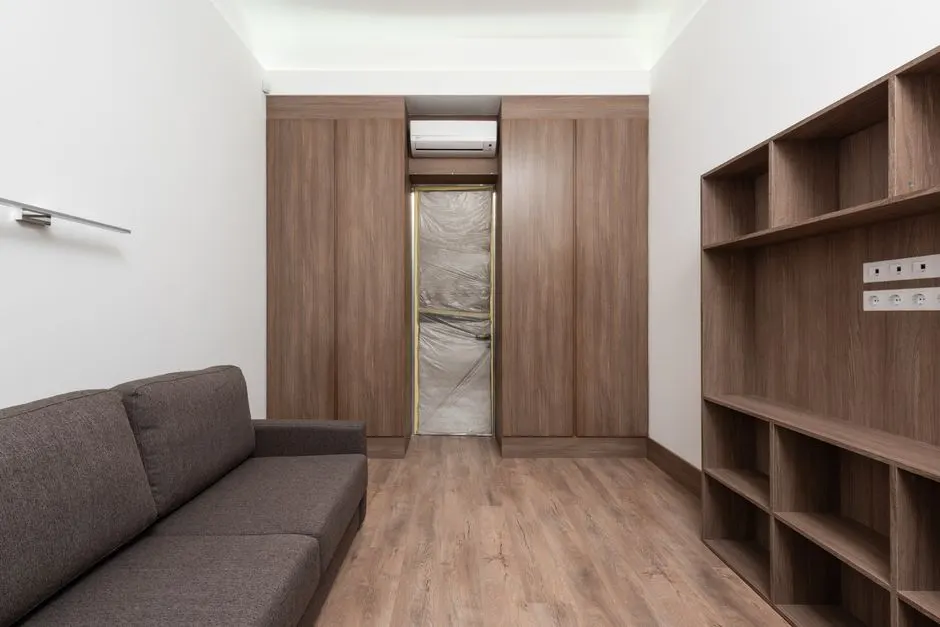
Spray foam removal in Thorpe-le-Soken is a specialist job, and we have been doing it across the CO16 0 postcode since 2022. Thorpe-le-Soken is a rural village with a mix of historic and modern properties, and that mix matters. Period homes around St Michael's Church and Thorpe Green were built with traditional construction, lime mortar and breathable roof spaces. When spray foam is injected into those lofts, it seals the roof and traps moisture that the building was designed to release. We see the same pattern in modern infill housing off Station Road and Frinton Road, where closed cell spray foam has been used to insulate rafters and has left condensation with nowhere to go. Our team handles Thorpe-le-Soken spray foam removal for homeowners, buyers and landlords. We carry dry ice blasting machines, oscillating multi-tools and industrial vacuum extractors, and we use a boroscope inspection camera to check rafter timbers before we quote. If a mortgage lender has flagged foam on a survey, we produce the removal evidence they need. That is what spray foam removal near Thorpe-le-Soken should look like: local, documented and finished properly.
Demand in Thorpe-le-Soken splits into two clear groups: homeowners who have discovered foam during a renovation, and buyers whose mortgage lender has flagged it on a survey. We handle both, plus commercial work on the industrial units around the village. If you have been searching for spray foam removal in Thorpe-le-Soken near me, this is the full list of what we run across CO16 0 and the surrounding Essex villages.

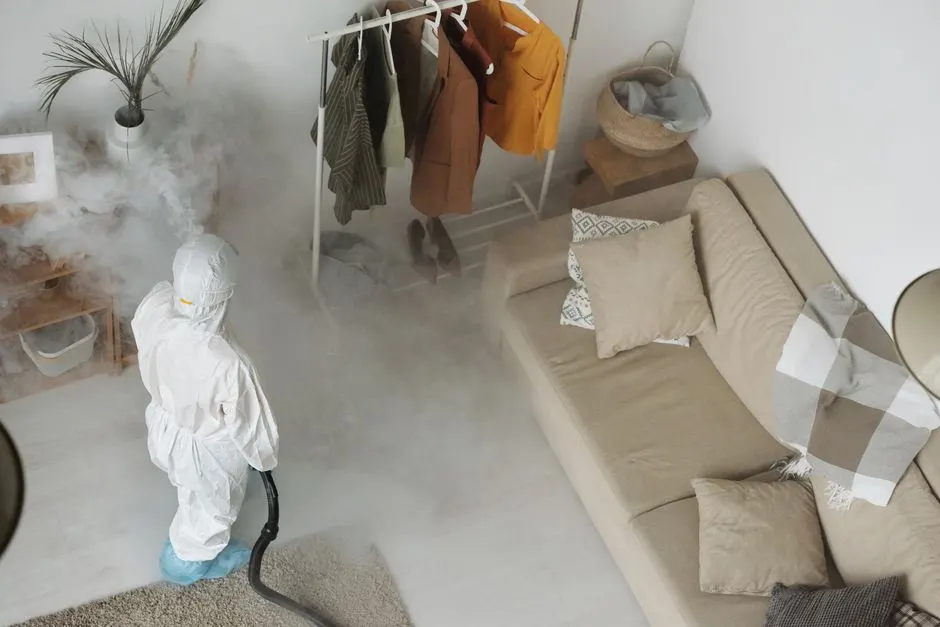




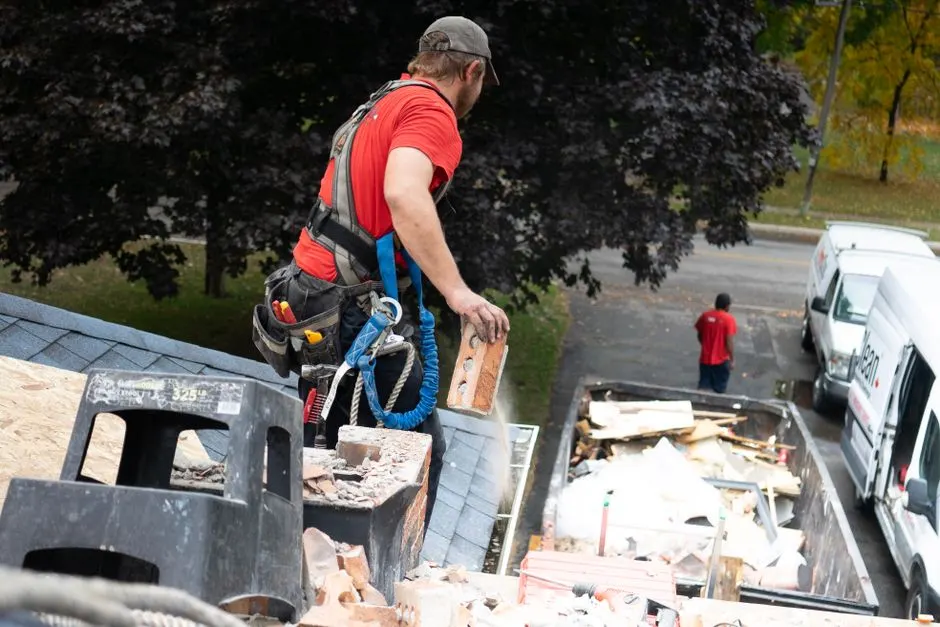
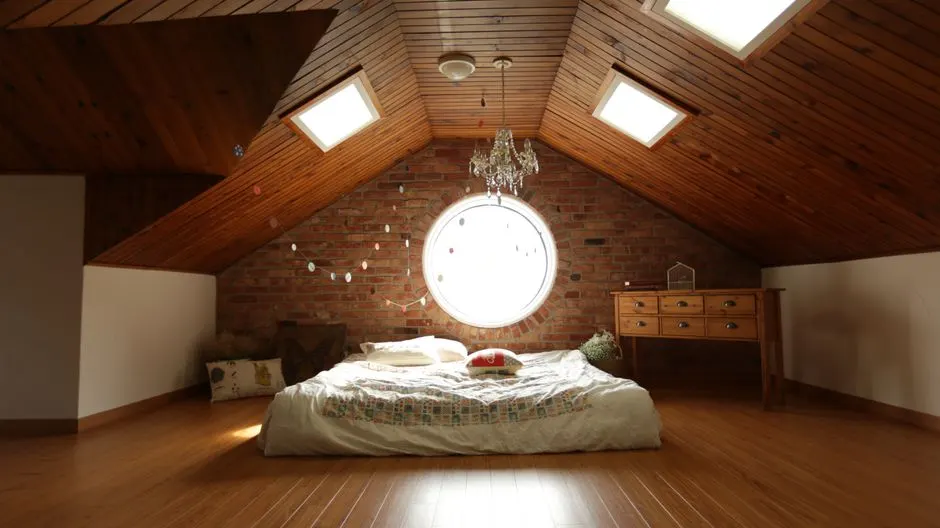
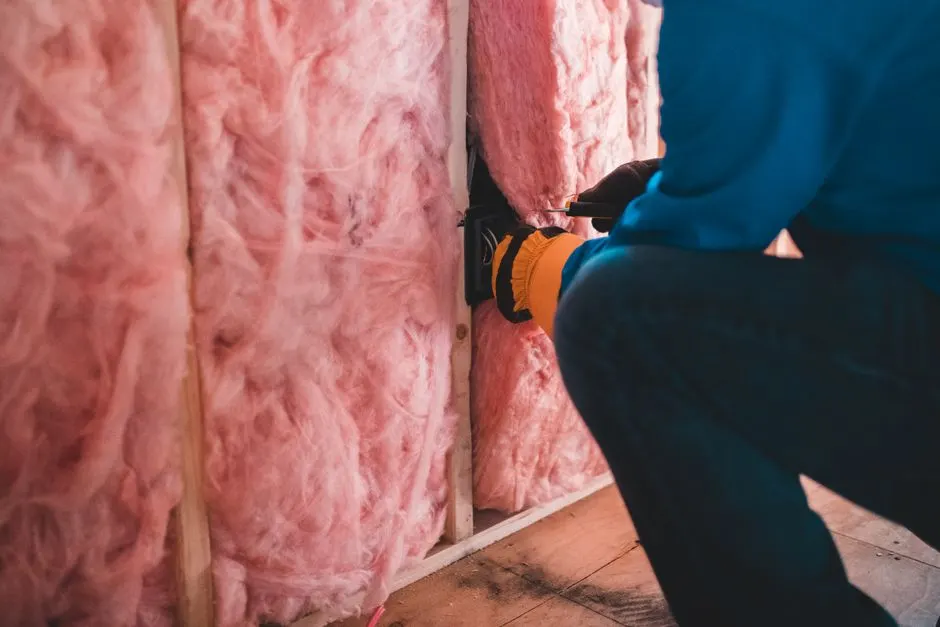





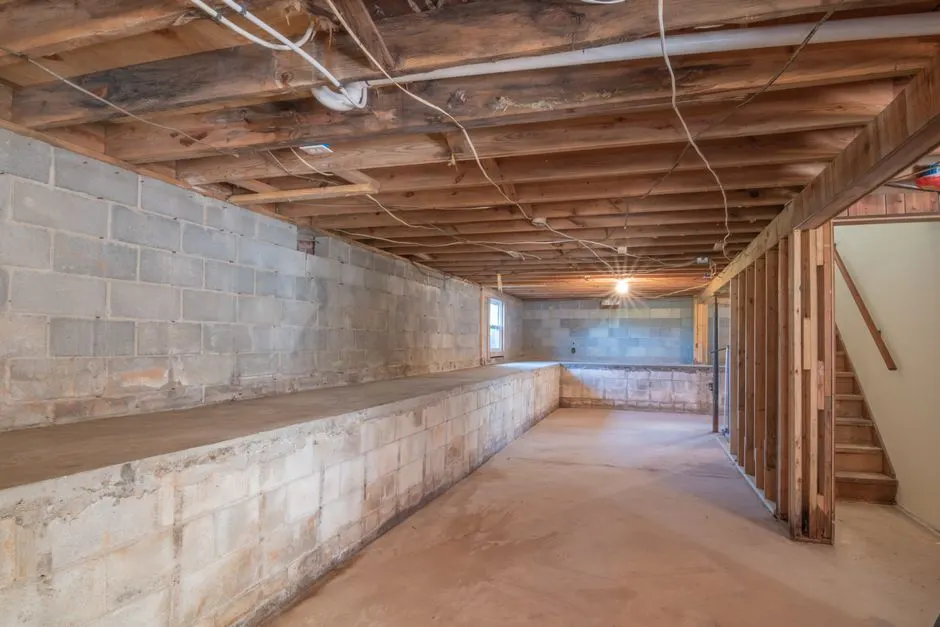
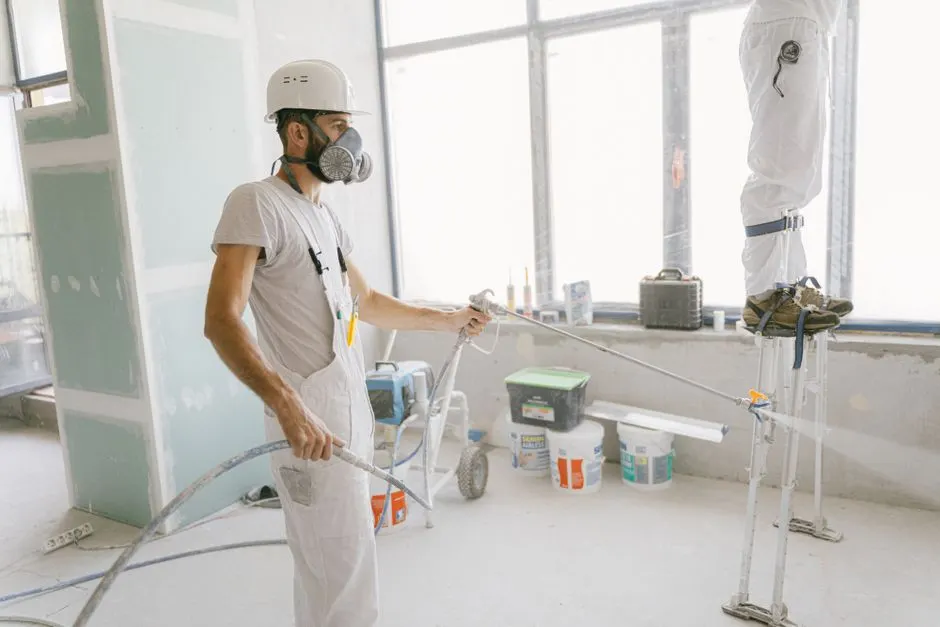

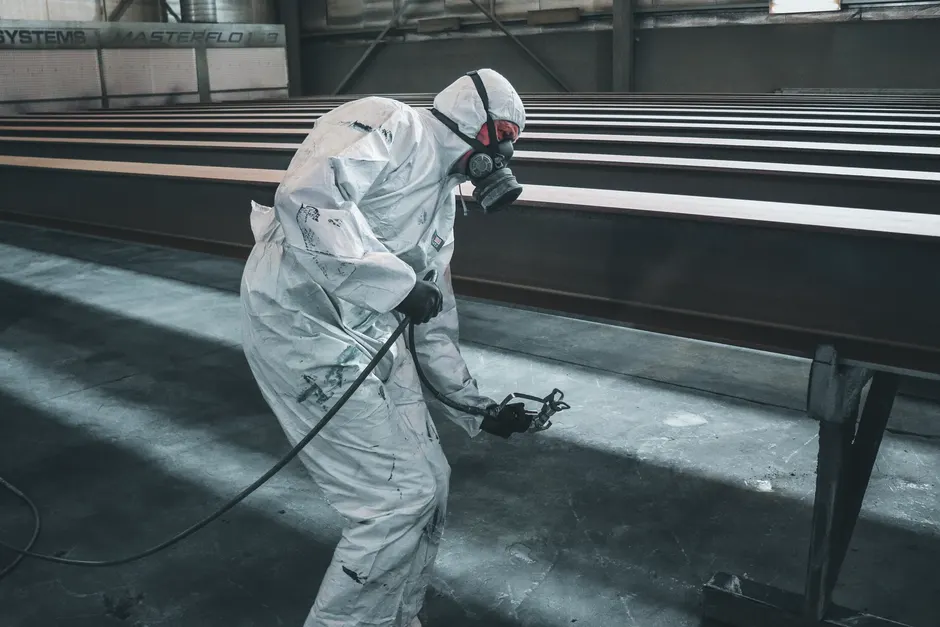
Thorpe-le-Soken spray foam removal jobs tend to fall into a few recurring patterns. The village's mix of period homes, rural damp exposure and steady mortgage activity means we see the same problems again and again. Knowing what causes them helps you decide how urgently to act.
Traditional roofs in Thorpe-le-Soken were built to breathe through the eaves and roof covering. Spray foam seals that path, so warm moist air from the house condenses on cold rafters instead of escaping. The problem gets worse in winter and after heavy rain.
Most lenders will not lend against a property with uncertified spray foam because it can hide timber defects and trap moisture. In a commuter village with regular sales, this stalls purchases at the worst possible moment and puts pressure on both buyer and seller.
Once foam traps damp against rafters, timber stays wet for months. Rot follows, usually starting at the rafter feet and around the eaves where airflow was already limited. Older properties near St Michael's Church are especially vulnerable because of their construction.
Foam injected into cavity walls bridges the gap between the two leaves of brickwork, letting damp cross to the inner wall. In Thorpe-le-Soken this shows up as cold patches, blown plaster and damp skirting on external walls, and it is a common survey finding.
Foam does not always announce itself. Most homeowners in Thorpe-le-Soken only find out when a surveyor flags it or when damp appears on a ceiling. If you have noticed any of the following, it is worth booking an insulation assessment before the problem spreads to the timber.
Damp patches on ceilings below the loft
Moisture is condensing on the underside of a foam-sealed roof and running down to the ceiling. Left alone, it soaks into plasterboard and joists. This is the most common sign we see in Thorpe-le-Soken and it usually means the foam has blocked ventilation completely.
A mortgage survey flags spray foam
Lenders treat uncertified spray foam as a risk because it can trap moisture and hide timber defects. If your surveyor has raised it, the lender will usually hold funds until removal is documented. Acting quickly keeps a sale on track.
Musty smell in the loft or upstairs rooms
A persistent damp, earthy smell points to mould growing on rafters or insulation. In older village properties with traditional roofs, this often starts within a year of foam being installed. It will not clear on its own once the foam is in place.
Visible mould or dark staining on rafters
Black or green staining on roof timbers is active mould feeding on trapped moisture. If it has been there a while, the timber may already be softening. We check with a moisture meter and a boroscope inspection camera before quoting treatment.
Cold draughts or higher heating bills
Foam that has failed or been removed badly can leave gaps and cold bridges, so rooms feel draughty and the heating works harder. A proper removal and ventilation plan restores the roof's performance rather than leaving it in a worse state.
Thorpe-le-Soken is a compact village, but the lanes around it can catch you out. We use the main landmarks as orientation points when scheduling jobs and confirming access. If you are booking work, telling us the nearest landmark helps us plan the visit and load the right equipment for the property type.
The station on Station Road is our main reference point for the eastern side of the village. Jobs within walking distance of the station are usually quick to access and easy to schedule around commuter hours.
St Michael's Church marks the historic centre of the village. Properties around it tend to be older with traditional roof construction, which affects how we plan foam removal and timber treatment.
The Village Hall is a useful meeting point for customers who want to hand over keys or discuss a quote in person before we start work on their property.
Thorpe Green sits at the heart of the village and helps us separate the older core from the newer housing on the outskirts when planning routes and arrival times.
ZIP coverage on request — call to confirm.
Thorpe-le-Soken's climate shapes when foam problems surface. Autumn and winter bring the damp and condensation that expose a sealed roof, while spring and summer are when surveys and house sales reveal foam that has been sitting quietly for years. Planning around the seasons saves time and money.
Spring is when buyers start viewing and surveys pick up foam that has been in place for years. Damp patches from winter often show clearly on ceilings as the weather warms, making this a busy period for assessments and removals.
Tip: Book an insulation assessment before you list or offer on a property, so foam is dealt with before it becomes a lender problem.
Warm, dry weather makes removal easier because roof spaces dry out faster and timber treatment cures quicker. It is the best time of year to clear a large closed cell roof, and access is usually simpler with longer daylight hours.
Tip: If you have been putting off removal, summer is the cheapest window. Drying times are shorter and we can often finish a full loft in a single day.
As temperatures drop, condensation starts forming on foam-sealed rafters again. Damp patches that disappeared in summer come back, and musty smells return in lofts that were never properly ventilated. This is when most emergency calls come in.
Tip: Get the roof space checked before the cold sets in. Removing foam in early autumn gives the timber time to dry before winter.
Cold nights and sea air moving inland make winter the worst season for trapped moisture. Timber rot accelerates, mould spreads and any leak through a foam-sealed roof shows up fast. Access can be trickier in bad weather but urgent jobs still go ahead.
Tip: If you spot a new damp patch or smell damp in the loft, call us rather than waiting for spring. Winter damage to rafters is harder and more expensive to fix later.
Thorpe-le-Soken sits centrally in the Tendring district, which means we can cover the surrounding towns and villages from the same base. If you are outside the village, we still run regular routes through these areas and can usually attend within a day or two.
(City)
About 8 miles south-east of Thorpe-le-Soken. Our base is here, so we pass through the village regularly and can combine jobs.
View Clacton Town Centre(City)
Roughly 7 miles from the village on the Clacton side. A common route for us when we have multiple jobs in a day.
View Great Clacton(City)
Around 9 miles east. Coastal properties here share the same foam and ventilation problems we see in Thorpe-le-Soken.
View Holland-on-Sea(City)
About 10 miles south-east. We cover Jaywick on the same schedule as Clacton and the surrounding villages.
View Jaywick(City)
Roughly 6 miles south. A short run from Thorpe-le-Soken, often booked alongside village jobs.
View St Osyth(City)
About 8 miles south. Coastal and rural properties here face similar damp and foam issues to the Thorpe-le-Soken area.
View Point ClearReal answers from our team for the questions we hear most often before a job starts.
If foam is trapping damp in your loft or holding up a mortgage in Thorpe-le-Soken, we can assess it within 48 hours and give you a fixed price on the spot. We have worked across CO16 0 since 2022, we document every removal for lenders, and we leave the roof space clean and breathing. Call us or send a message and we will get you booked in.
Call us on 0333 567 2543 between 08:00 and 18:00, Monday to Friday, and you will speak to someone who has actually been up a Clacton loft this month. Out of hours, leave a message and we will call you back first thing. For surveys, quotes and documentation requests, email info@sprayfoamremovalclactononsea.com and we will reply the same working day.
Phone
03335672543Address
72-78 Rosemary Rd, Clacton on Sea CO15 1TZ, UK, Clacton on Sea, Essex
Hours
Mon–Fri: 7AM – 7PM
Sat: 8AM – 4PM
Sun: Emergency Only
24/7 Emergency Available