Weeley Railway Station
A useful orientation point on the eastern side of the village. We use it to plan routes to nearby residential streets and to time arrivals around the commuter peaks, when parking near the station fills up quickly.

Spray foam removal in Weeley is a specialist job, and it is the only thing our team does. Weeley is a rural village with a real mix of stock: Victorian and Edwardian cottages around St Andrew's Church, 1960s and 70s semis along Clacton Road, and newer builds out towards Weeley Heath. That mix matters, because a 1900s cottage with a cold, unvented loft behaves nothing like a 1990s house with a sealed roof space. Foam that was pumped in during the last decade has now had time to trap moisture against rafters, and we see the results most weeks: damp patches on ceiling joists, black mould on the underside of felt, and surveyors flagging closed cell spray foam as a defect. We have worked Weeley since 2022, so we know which streets have narrow access, where to park a van on Thorpe Road, and how to get extraction kit up a tight loft hatch without damaging your plaster. If you need spray foam removal Weeley Essex homeowners can actually rely on, we are local, insured and we quote before we cut anything.
Every Weeley job starts with an assessment, because open cell and closed cell foam need completely different extraction methods. If you have been searching for spray foam removal in Weeley near me, we cover the whole village and the surrounding lanes. We handle loft, roof, attic and cavity wall foam, plus mortgage lender work where a valuer needs the roof space cleared and documented before funds release.

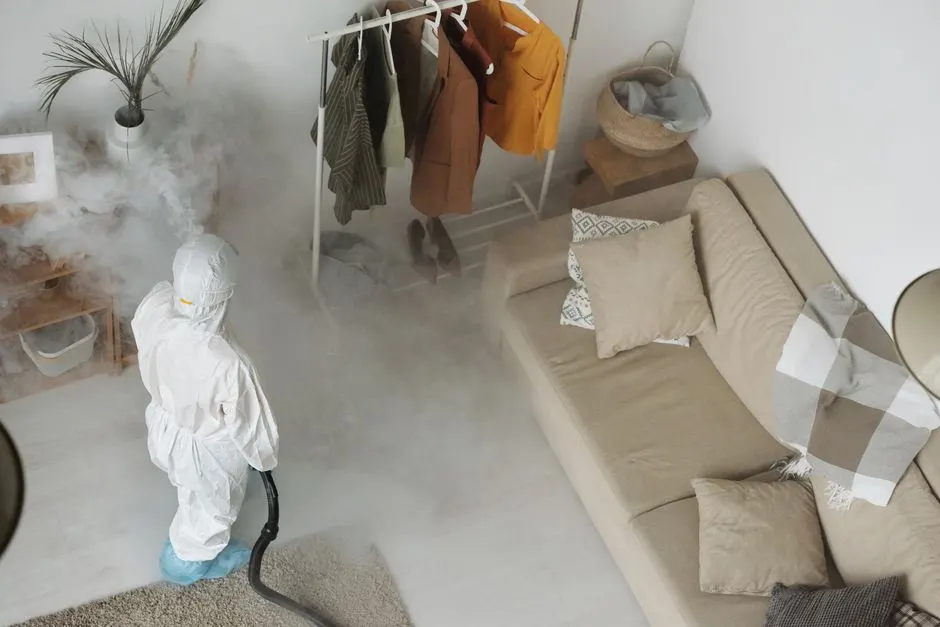






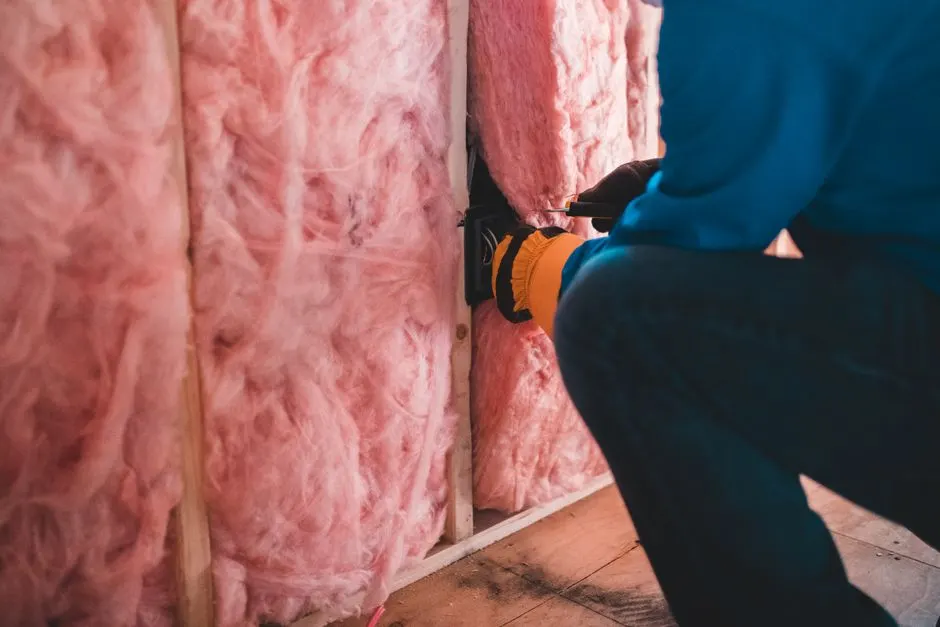






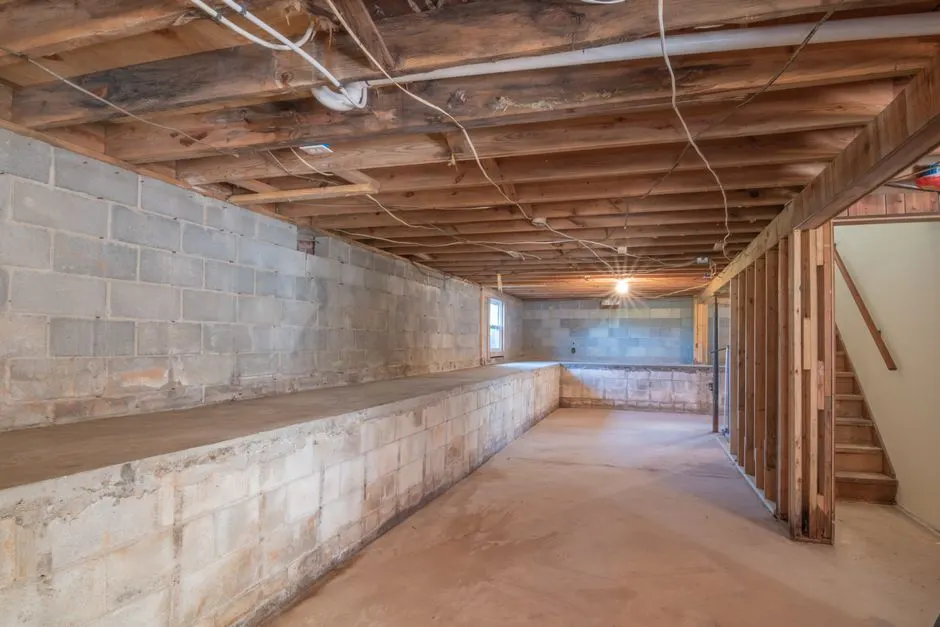




Weeley's mix of period cottages, post-war semis and newer builds creates a specific set of foam problems. Add coastal and rural weather, and lofts here run damp for much of the year. These are the issues we see most often when we carry out spray foam removal Weeley Essex homeowners call us about.
Closed cell foam was often sold as a quick fix for cold lofts, and it bonds rigidly to timber. In Weeley's older cottages, that means it seals the rafter and traps moisture against the felt, so rot starts from the inside where you cannot see it.
Post-war semis around Clacton Road and Thorpe Road had cavities injected with foam, sometimes bridging the gap between the two leaves of brick. That bridge lets damp travel inward, and you get patches on internal walls that no amount of redecorating fixes.
Foam covers the timber, so a surveyor cannot confirm whether a rafter is sound. In Weeley, where many roofs are 50 to 100 years old, that uncertainty is enough for a lender to refuse or retain. The damage is often minor but invisible.
If foam is removed but ventilation is not restored, the loft can still run damp. This happens when foam has blocked the eaves gap for years and the roof space has no airflow path left.
Foam does not always announce itself. Most Weeley homeowners find out when a surveyor, a lender or a musty smell forces the issue. If you have been searching for spray foam removal in Weeley near me, these are the triggers that mean it is time to get the loft looked at properly.
Surveyor has flagged foam in the loft
This is the most common trigger in Weeley. A failed building survey or a lender valuation note means the foam is already affecting your sale or remortgage. Acting quickly keeps the chain intact and stops the issue escalating to a full retention.
Damp or mould on loft timbers
Foam sprayed against felt stops the roof breathing. Moisture condenses on the cold side, and you get black mould on rafters and felt. If you can see it, the timber is already wet and rot may be starting.
Musty smell in upstairs rooms
A persistent damp, earthy smell in bedrooms or on the landing usually means trapped moisture in the roof space. It gets worse in winter and after heavy rain, and no amount of ventilation in the room itself will fix it.
Condensation in loft or on roof felt
Water droplets on the underside of felt, or damp patches on stored items, point to condensation in loft. Foam is often the cause because it blocks the ventilation path at eaves level. Left alone, it damages timbers and stored belongings.
Mortgage or remortgage has stalled
Lenders treat closed cell spray foam as a risk because it hides timber condition. If your application has stalled, removal plus a photographic evidence pack is usually what gets it moving again. We have done this for buyers across Weeley.
Weeley is a small village, but the landmarks help us plan routes and give you a clear arrival time. We use Weeley Railway Station as our main reference point for the eastern side of the village, and St Andrew's Church for the older streets around Weeley Village. Weeley Village Hall and Weeley Playing Field sit close to several residential roads, so they are useful when we are booking multiple jobs in one day. Weeley Heath Windmill marks the rural end, where access needs more planning. If you are giving directions, naming one of these is usually faster than a postcode alone.
A useful orientation point on the eastern side of the village. We use it to plan routes to nearby residential streets and to time arrivals around the commuter peaks, when parking near the station fills up quickly.
The church marks the older heart of Weeley Village. Streets around it have period cottages with small loft hatches, so we use it as a reference when planning access and equipment for jobs in that part of the village.
A central reference point close to several residential roads. When we are scheduling more than one job in a day, the hall helps us group addresses sensibly and keep travel time between them short.
A clear landmark on the residential side of the village. It helps us identify the surrounding streets quickly, especially where house numbers are not obvious from the road.
ZIP coverage on request — call to confirm.
Weeley takes coastal and rural weather, so the foam problems we see change with the seasons. Autumn and winter drive damp and condensation calls, while spring and summer are dominated by surveys and house moves. Here is what to expect through the year if you are considering spray foam removal in Weeley.
Spring is survey season in Weeley. Buyers are completing, lenders are valuing, and foam gets flagged on a lot of lofts. Damp from winter is still visible on timbers, so assessments often find early rot alongside the foam.
Tip: If your sale or purchase has a survey booked, get the loft assessed now rather than waiting for the report. It keeps your timeline in your hands.
Warm, dry weather makes extraction easier and lofts safer to work in. It is also the best time to dry out a roof space after foam removal, because ventilation works properly and timbers can lose moisture naturally.
Tip: Book summer removal if you can. The loft dries faster, and any timber treatment has the best chance of curing fully before the damp season returns.
As temperatures drop, condensation in loft starts showing again. Foam that blocked ventilation over summer now traps moisture, and you may notice musty smells or damp patches on stored items for the first time.
Tip: Check your loft before the cold sets in. If felt is wet to the touch or stored boxes feel damp, get an assessment booked before winter makes it worse.
Winter is when Weeley's foam problems become obvious. Damp patches appear on ceilings, mould shows on rafters, and lenders are less willing to proceed on properties with visible moisture issues. Urgent callouts rise sharply.
Tip: If you spot a new damp patch or a musty smell in winter, call us rather than waiting for spring. Early removal limits timber damage and keeps a sale or remortgage on track.
Weeley sits in the middle of our service area, so we cover the surrounding Tendring towns and villages on the same schedule. If you are in one of these areas and have foam in a loft, roof or cavity, we can usually assess it within a day or two of your call.
(City)
About 15 minutes from Weeley along the A133. Many of our Weeley customers originally found us through work we did in Clacton, and we cover both on the same routes.
View Clacton Town Centre(City)
A short drive south of Weeley. We regularly pair Great Clacton and Weeley jobs in one day, which keeps travel costs down for both.
View Great Clacton(City)
Around 20 minutes from Weeley towards the coast. Coastal properties here see more damp-related foam problems, and we cover them on the same schedule as Weeley.
View Holland-on-Sea(City)
A similar distance to Holland-on-Sea. Older stock and exposed coastal weather mean foam and damp issues are common, and we treat Jaywick as part of our regular Weeley round.
View Jaywick(City)
A village to the south-west of Weeley with a lot of older, listed and period property. Foam removal there needs the same careful approach we use in Weeley Village.
View St Osyth(City)
On the coast south of St Osyth. We cover Point Clear for loft and cavity foam work, usually combining it with nearby jobs to keep response times short.
View Point ClearReal answers from our team for the questions we hear most often before a job starts.
If a surveyor has flagged foam, or you have spotted damp on your loft timbers, do not wait for it to get worse. We have worked Weeley since 2022, we carry the extraction kit on the van, and we give you a fixed price before we start. Call us or send a photo of your loft and we will tell you what you are dealing with, usually the same day.
Call us on 0333 567 2543 between 08:00 and 18:00, Monday to Friday, and you will speak to someone who has actually been up a Clacton loft this month. Out of hours, leave a message and we will call you back first thing. For surveys, quotes and documentation requests, email info@sprayfoamremovalclactononsea.com and we will reply the same working day.
Phone
03335672543Address
72-78 Rosemary Rd, Clacton on Sea CO15 1TZ, UK, Clacton on Sea, Essex
Hours
Mon–Fri: 7AM – 7PM
Sat: 8AM – 4PM
Sun: Emergency Only
24/7 Emergency Available